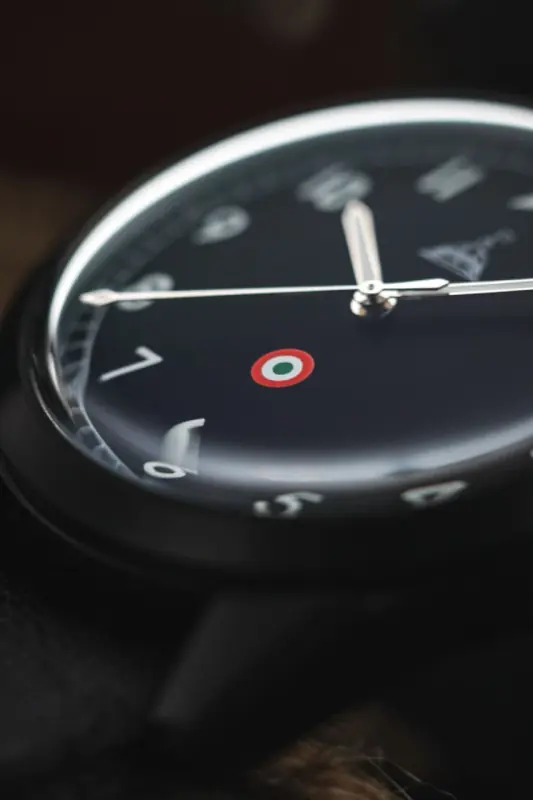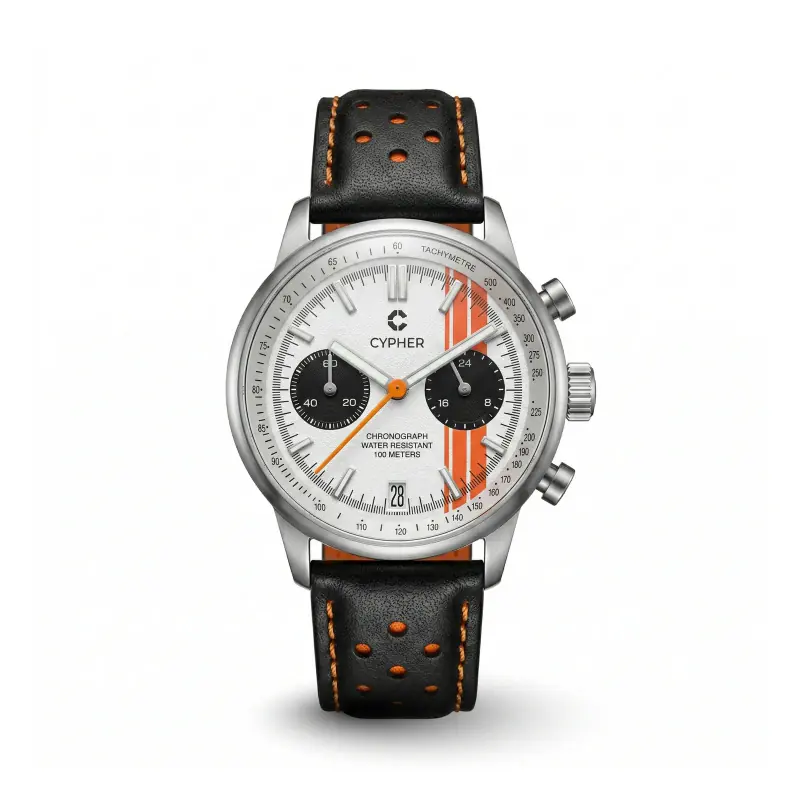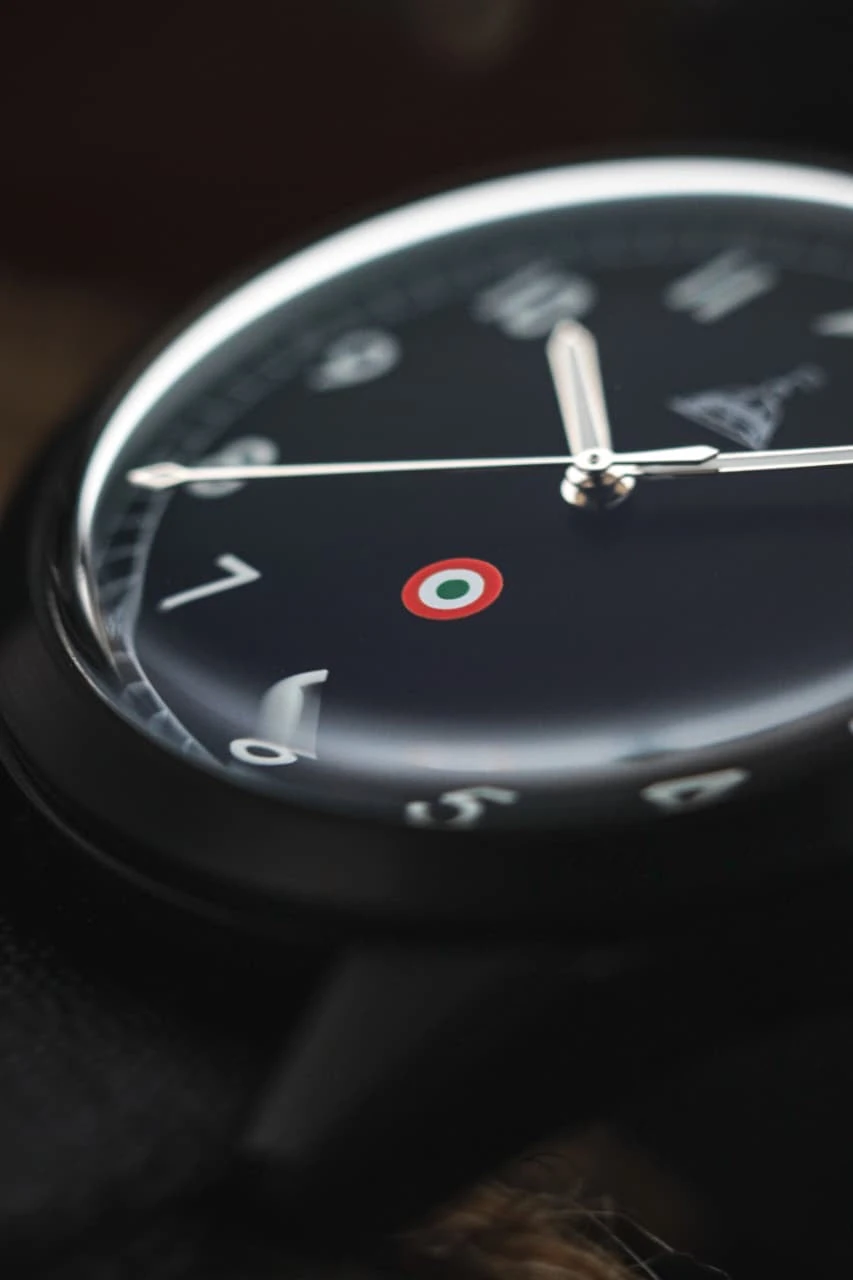
How do Indian watch microbrands compare to global favourites like Baltic, Traska and Lorier? On raw specs, India's independents deliver the same Seiko and Miyota movements with sapphire crystals at roughly a fifth of the price — while the established Western brands still lead on finishing maturity and resale. Here is the honest head-to-head.
Indian watch microbrands compare surprisingly well to global favourites like Baltic, Traska and Lorier: they use the same Japanese and Swiss movements and the same sapphire crystals, but sell for roughly a fifth of the price. Where the established Western brands still pull ahead is finishing maturity, resale value and community. This is the honest head-to-head, spec for spec and rupee for dollar.
The numbers, side by side
Prices are approximate and converted at roughly ₹83 to the US dollar. Indian prices are the maker's own; Western prices are typical retail.
| Brand (Country) | Signature watch | ~Price | Movement | Crystal |
|---|---|---|---|---|
| Delhi Watch Co. (India) | Vayu IV | ~₹6,000 (~$72) | Seiko NH35 | Sapphire |
| Ahmedabad Watch Co. (India) | Karnavati | ₹5,999 (~$72) | Miyota quartz | Mineral |
| Bangalore Watch Co. (India) | Apogee | ₹1.5L+ (~$1,800) | Automatic | Sapphire |
| Traska (USA) | Commuter | ~$395 (~₹33,000) | Miyota automatic | Sapphire |
| Lorier (USA) | Neptune | ~$499 (~₹41,000) | Miyota automatic | Box mineral |
| Baltic (France) | Aquascaphe | ~$700 (~₹58,000) | Miyota / Sellita | Sapphire |
Where India wins
Value is not close. A Delhi Watch Company Vayu runs the same Seiko NH35 as watches costing five to ten times more, under a sapphire crystal, for about $72. For an Indian buyer the gap widens further: importing a Baltic or Traska means shipping plus customs duty that can add 40% or more to the sticker price, while a DWC or Bangalore Watch Company Apogee Kármán arrives with none of that.
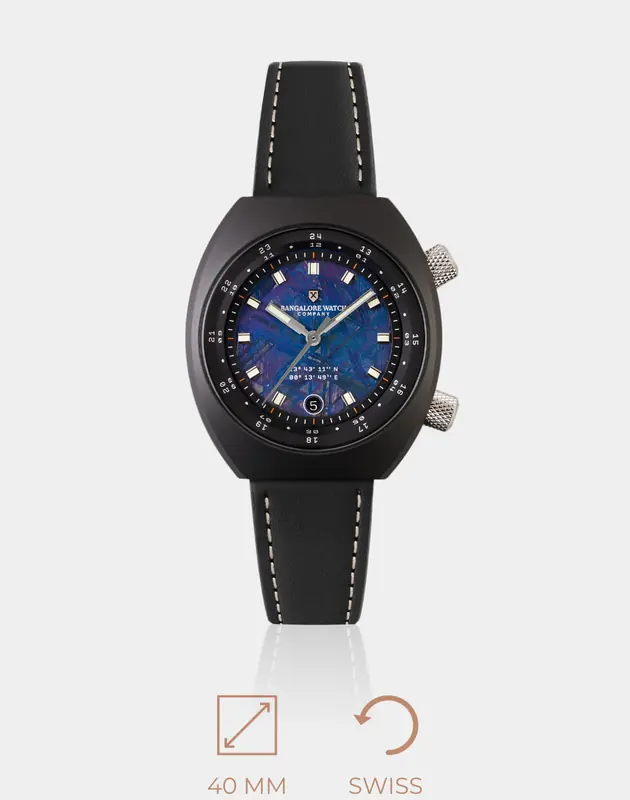
Bangalore Watch Company
Apogee Karman Line
₹2.4L
Cultural distinctiveness. Baltic does vintage-French elegance and Traska does understated tool watches beautifully — but neither can put a certified 1947 rupee coin like JWC's Ganesha Coin Watch, a Warli folk-art dial, or a genuine engraved-silver Gujarati motif on your wrist. India's brands compete on story, and the story is unrepeatable.
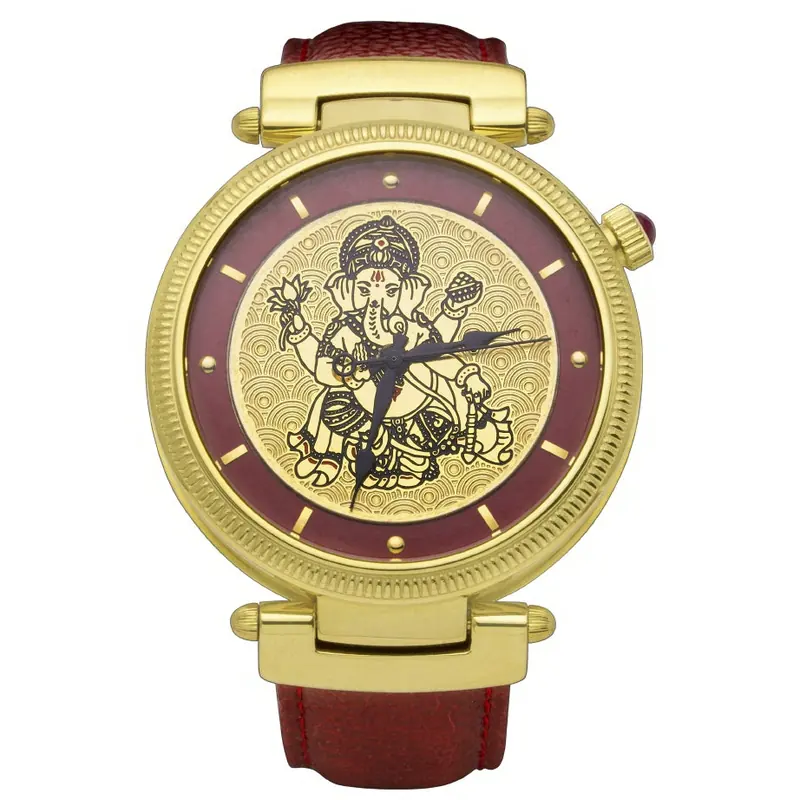
Jaipur Watch Company
Ganesha Coin Watch
₹75K
Where the world still wins
Maturity and finishing. Baltic (founded 2017) and Traska have had years to refine case finishing, bracelet tolerances and quality control across thousands of units. India's best are close, but the youngest brands are still ironing out consistency.
Resale and community. A Baltic Aquascaphe holds value and sells in minutes on the secondary market; most Indian microbrands have thin resale liquidity so far. If you treat watches as semi-liquid assets, the established names are safer.
The verdict
If you are in India, the maths is lopsided: local independents give you Swiss and Japanese movements, sapphire crystals and genuine craft for a fraction of an imported microbrand's landed cost, with no duty and direct-from-maker service. If you are a global collector chasing resale and a decade of finishing refinement, Baltic, Traska and Lorier remain safer bets — for now. The direction of travel, though, is clear: Indian microbrands have closed the specification gap, and they are still getting cheaper relative to what they deliver.
Frequently asked questions
Are Indian microbrand watches as good as Baltic or Traska?
On core specifications — movement, crystal, water resistance — the leading Indian brands match Baltic, Traska and Lorier, using the same Seiko NH35 and Miyota calibres with sapphire crystals. The Western brands currently lead on finishing consistency and resale value, not on raw specs.
Why are Indian watches so much cheaper?
Lower labour and assembly costs, direct-to-consumer sales, and no import duty for Indian buyers. A Delhi Watch Company automatic with a Seiko NH35 and sapphire crystal sells for around $72 versus $400–700 for a comparable Western microbrand.
Should I buy an Indian microbrand or import a global one?
For buyers in India, a local microbrand is far better value once import duty and shipping are added to a foreign watch. For collectors who prioritise resale, an established Western microbrand is the safer store of value.