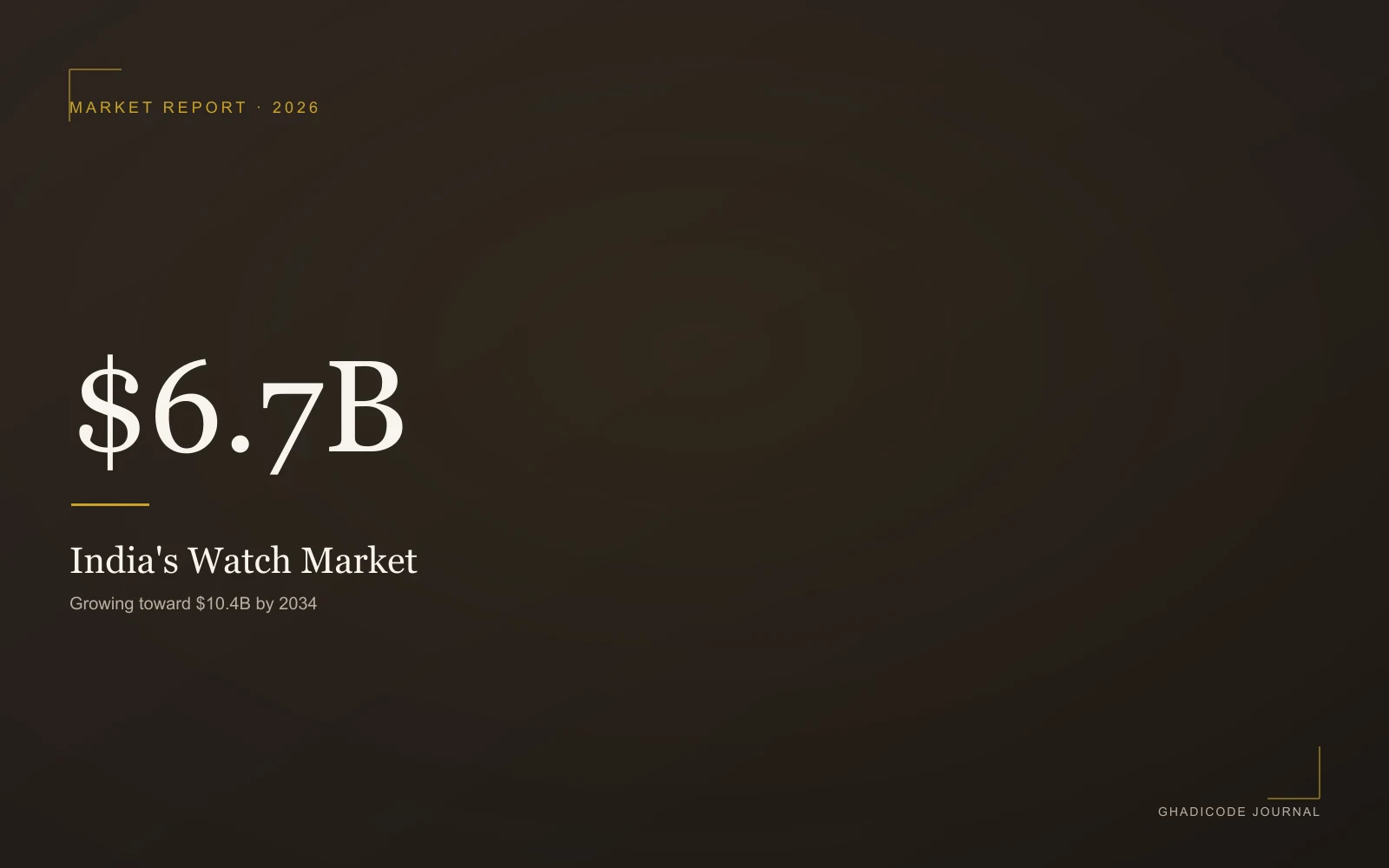
The Indian watch industry is a $6.7 billion market growing toward $10.4 billion by 2034, spanning a ₹50,000-crore giant (Titan), a listed luxury retailer (Ethos), and a wave of venture-backed micro-brands. This report assembles the numbers that define India's watch decade.
What is the size of the Indian watch market?
The Indian watch market was valued at approximately $6.7 billion in 2025 and is projected to reach $10.4 billion by 2034, growing at a CAGR of around 5% (IMARC Group). Roughly 50 million wristwatches are sold in India every year — one of the largest unit markets in the world. Within that, the premium and luxury segment of the $4–5 billion organised market is growing far faster, at 10–14% annually, according to industry analysis cited by Inc42.
In short: the overall market grows steadily, but the money is moving up-market — toward mechanical movements, design-led brands, and watches bought as objects of meaning rather than instruments for telling time.
The three tiers of India's watch economy
India's watch industry in 2026 is best understood as three distinct layers, each with its own economics:
- The incumbent giant — Titan. Titan Company, the Tata-TIDCO joint venture founded in 1984, crossed ₹50,000 crore in total revenue in FY25. Its Watches & Wearables division alone posted ₹4,576 crore for the year, up more than 17%. Titan has publicly stated it expects watch revenues to cross a billion dollars within two years.
- The luxury gateway — Ethos. Ethos Limited, India's largest organised luxury watch retailer, reported revenue of ₹1,251 crore in FY25, up roughly 23% from ₹999 crore the previous year. Ethos is the channel through which Rolex, Omega, and dozens of Swiss maisons reach Indian buyers.
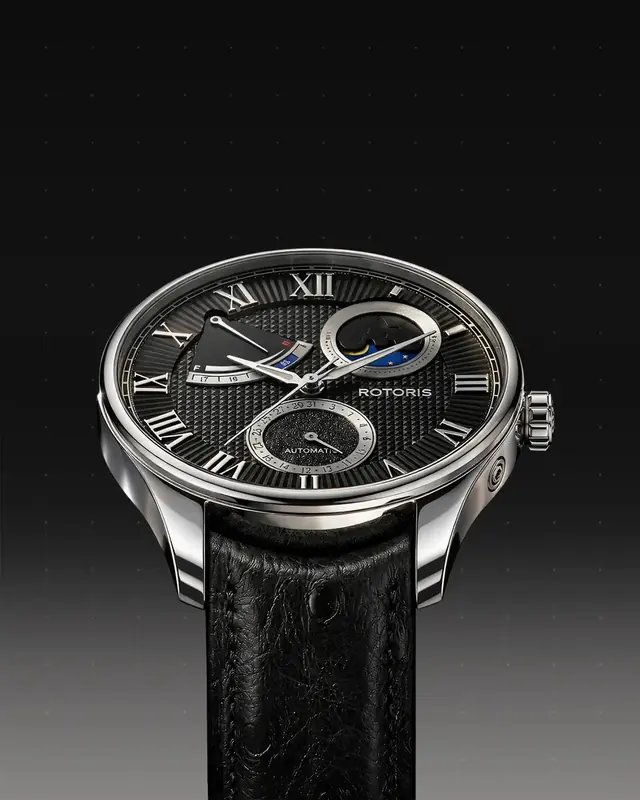
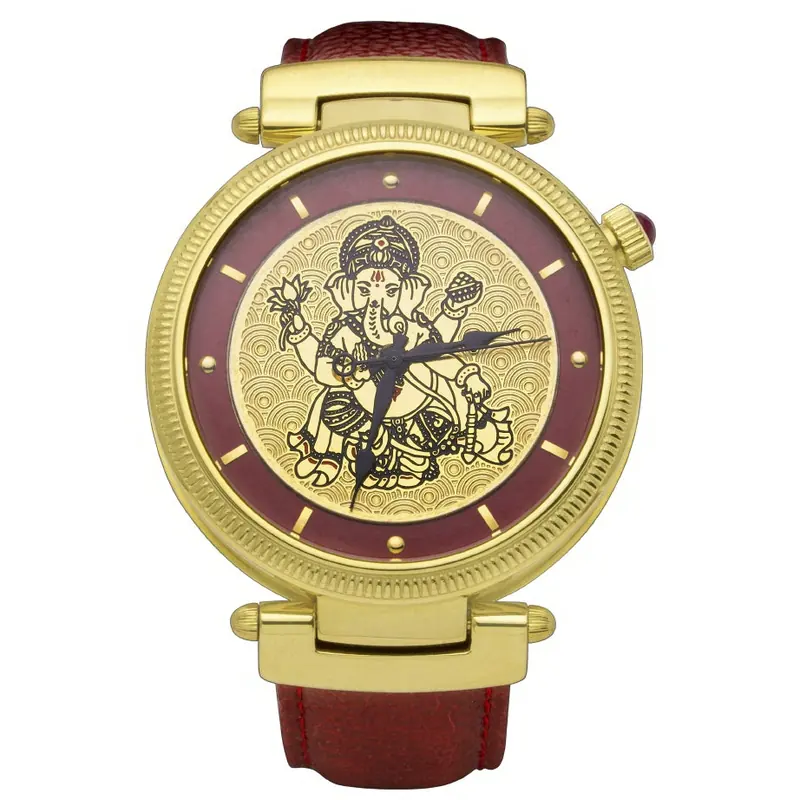
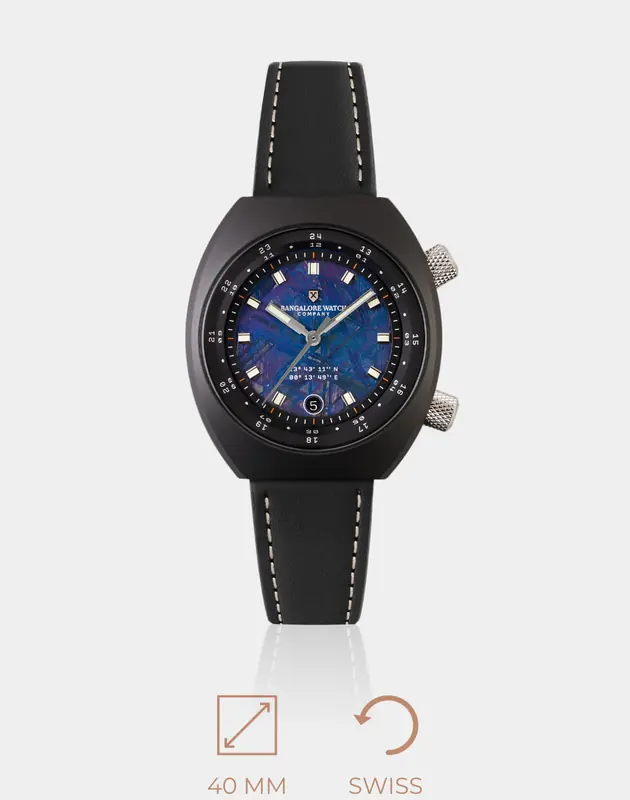
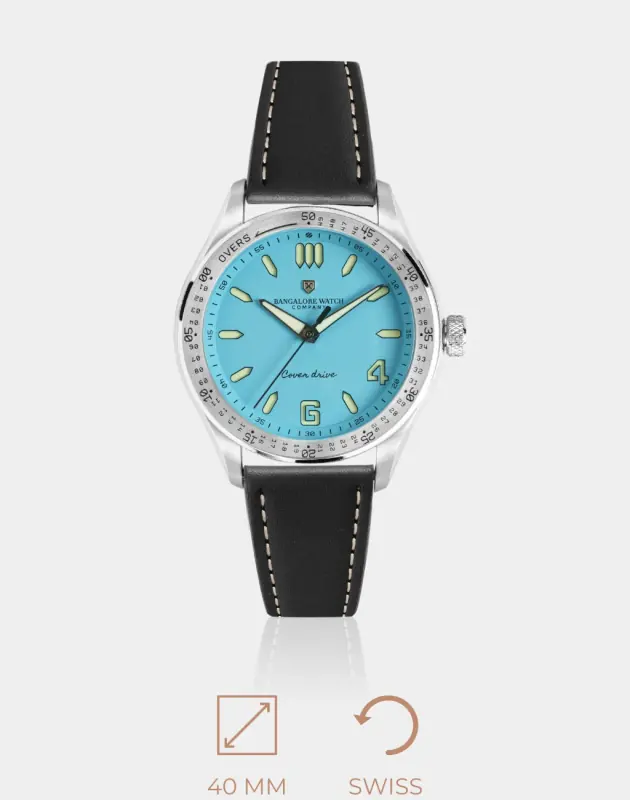
- The challengers — micro-brands. A new generation of independent brands — Bangalore Watch Company's space-tested Apogee Kármán, Jaipur Watch Company's certified Ganesha Coin Watch, Rotoris's moonphase Monarch, Argos — is building mechanical watches with Indian storytelling, increasingly with venture capital behind them.
Why is the Indian watch market growing now?
Three forces converged in the 2010s and accelerated through the 2020s. First, a rising affluent class: India's luxury products market is now estimated at $10–12 billion. Second, the D2C revolution — India's direct-to-consumer market is projected to cross $100 billion by 2025 and $300 billion by 2030 (Inc42), giving small watch brands a route to customers without retail distribution. Third, Swiss watch exports to India have been rising more than 25% year-on-year, a signal that global brands now treat India as a growth market rather than an afterthought.
Tellingly, over 60% of non-metro luxury purchases now happen online — meaning a watch brand in Bengaluru or Jaipur can sell to a buyer in a tier-II city without ever opening a store there.
From HMT to venture capital: the structural shift
For a generation, Indian watchmaking meant HMT — Hindustan Machine Tools, the state-owned maker that put a mechanical watch on millions of Indian wrists before its watch business wound down in the late 2000s. The vacuum it left was filled not by another state giant but by entrepreneurs. The result is a market that is simultaneously consolidated at the top (Titan) and fragmenting at the edges (dozens of independents), with luxury retail (Ethos) bridging the two. At the accessible edge, independents now compete on design alone — a ₹4,499 field watch like the Delhi Watch Company Terra would have been unthinkable a decade ago.
Frequently asked questions
How big is the Indian watch market in 2026? Approximately $6.7 billion, projected to reach $10.4 billion by 2034 (IMARC Group), with around 50 million units sold annually.
Who is the largest watch company in India? Titan Company, with FY25 Watches & Wearables revenue of ₹4,576 crore and total company revenue above ₹50,000 crore.
Are Indian micro-brand watches a real industry or a hobby? Increasingly a real industry. Brands like Argos (₹25.64 crore FY25 revenue) and Rotoris ($3 million raised) now have measurable revenue and institutional backing — covered in detail in our companion report on India's venture-backed watch startups.