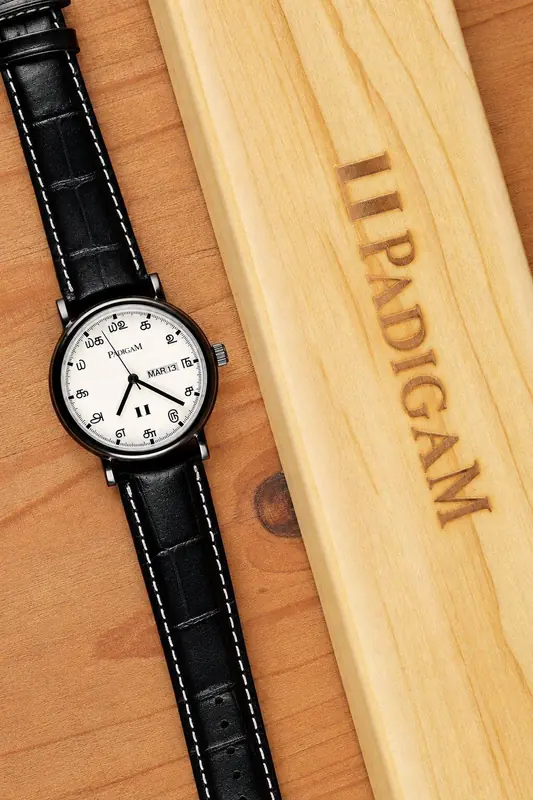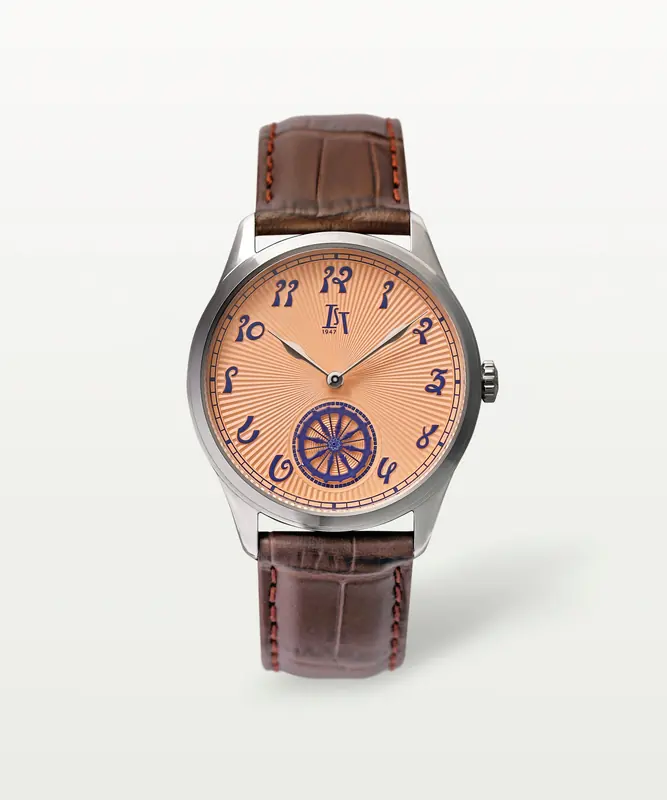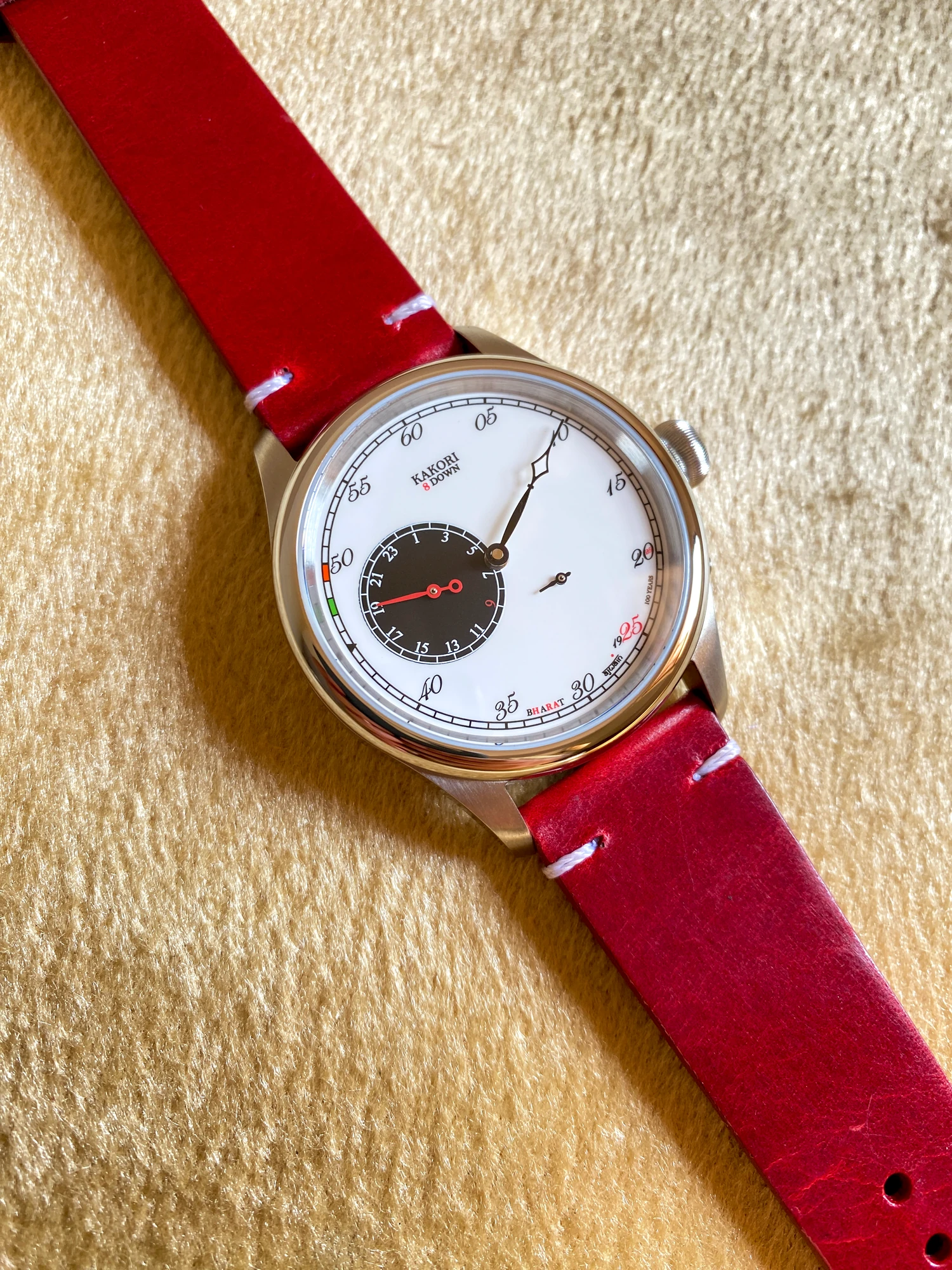
On August 9, 1925, the Kakori Train Robbery changed India's independence movement. On August 9, 1942, Gandhi launched Quit India. Vikram Narula built Ajwain Watches to ensure these moments are never forgotten.
The Premise
Luxury goods typically exist outside history. Ajwain Watches insists that they can be the vessels for it. Founded in 2017 by Vikram Narula in Navi Mumbai, every Ajwain limited edition references a specific event, a specific figure, a specific moment in India's independence struggle. Not as theme. As commitment.
The Kakori 8 Down Centenary
Ajwain Watches
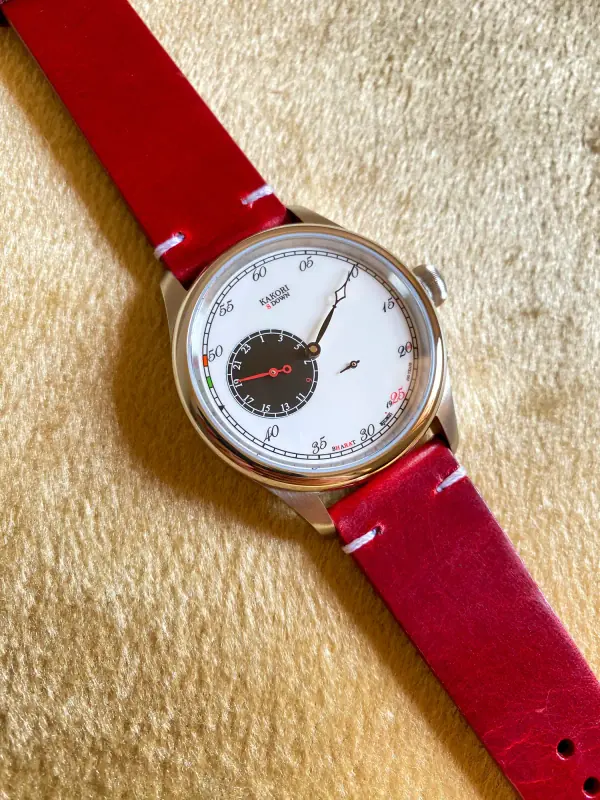
Kakori 8 Down Centenary
₹35.0K
On August 9, 1925, Ram Prasad Bismil, Ashfaqulla Khan, Chandrashekhar Azad, and their colleagues stopped Train No. 8 — running "Down" the tracks — at Kakori in Uttar Pradesh and seized a British government treasury chest. It was an act of revolutionary audacity. The British response was severe: Bismil and Ashfaqullah Khan were hanged, others sentenced to life imprisonment.
The "8 Down Centenary" marks 100 years of that moment. The watch's design references the date: the dial, the caseback engraving, the limited edition number. It is not a nostalgia piece. It is a political object. Wearing it is a statement about what you believe deserves remembrance.
The Sholavaram III
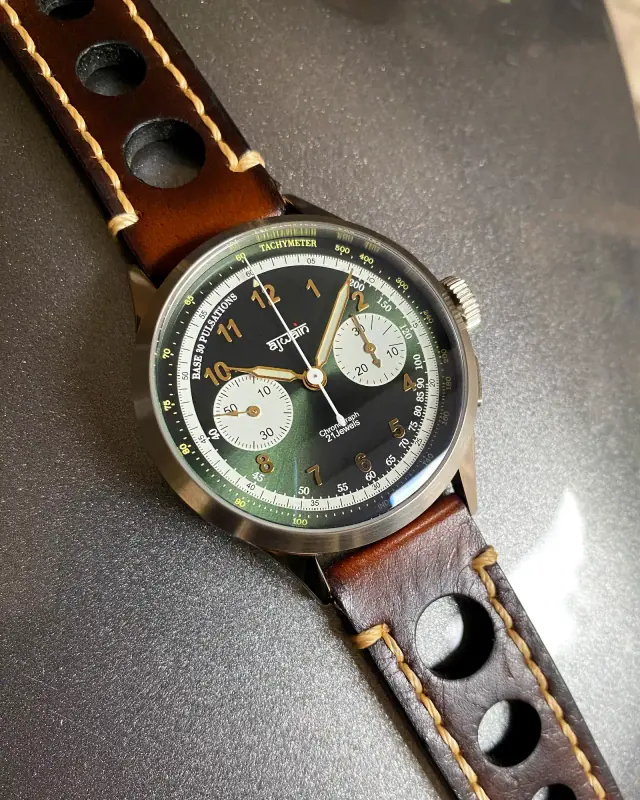
Ajwain Watches
Sholavaram III
₹33.0K
India's first mechanical chronograph from an independent brand. Not meca-quartz — a full mechanical movement driving the chronograph function. The technical achievement is significant: mechanical chronographs are among the most complex movements made, with hundreds of parts interacting under the pressure of a pushbutton.
The name references a freedom fighter. The complication represents craftsmanship. Together, they make Ajwain's most complete watch: historically meaningful and technically ambitious simultaneously.
Why This Matters
India's independence struggle produced extraordinary human beings. Ram Prasad Bismil was a poet, a revolutionary, and a martyr. Ashfaqullah Khan was the first Muslim to be executed for Indian independence. Bhagat Singh was 23 when he was hanged. These are not footnotes — they are the people who made August 15, 1947 possible.
Ajwain keeps their names alive in the most intimate way available: on a watch face that you check throughout the day, that someone asks you about, that gives you the opportunity to say: "this references the Kakori Train Robbery. Let me tell you what happened on August 9, 1925."