Bangalore Watch Company has raised a $1.4 million (roughly ₹12 crore) seed round funded entirely by its own customers, deliberately skipping venture capital. BWC makes about 1,500 watches a year at an average price of ₹1.8 lakh, 30% of buyers come back for another, and it plans to quadruple production in three to five years. Here is what a customer round is, why it suits a watch brand, and what it changes for buyers.
Bangalore Watch Company has raised $1.4 million (roughly ₹12 crore) in seed funding, and every rupee came from people who had already bought its watches. There was no venture fund, no angel network and no film star on the cap table. The brand says it skipped venture capital on purpose, to protect how it makes watches, and that raising from existing buyers means its investors already understand and value what it builds.
For eight years BWC was the clearest example of a bootstrapped Indian watch brand. This round keeps that independence and still brings in capital. It is also a very different model from the rest of the Indian scene.
The numbers
| Metric | Figure |
|---|---|
| Seed round | $1.4 million (≈ ₹12 crore), all from customers |
| Founded | 2018, Bengaluru, by Nirupesh Joshi and Mercy Amalraj |
| Annual production | About 1,500 watches |
| Average selling price | ₹1.8 lakh |
| Repeat buyers | 30% of customers |
| Plan | Quadruple production over three to five years; take the brand to collectors abroad |
A rough calculation from those figures: 1,500 watches at ₹1.8 lakh is about ₹27 crore of sales a year. BWC hasn't published its revenue, so treat that as an order of magnitude, not a reported number. On that basis the raise is less than half a year's sales. That is small capital for a real business, not a bet on a startup with no product.
What a "customer round" actually is
India doesn't allow public equity crowdfunding, so a brand can't simply open an investment page to its mailing list. A private company raising from individuals typically does it by private placement, which the Companies Act caps at 200 people per financial year (with some exclusions). BWC hasn't said how many customers took part or what instrument they bought. But the cap explains the maths: if the round reached the full 200, the average cheque would be around ₹6 lakh, about three BWC watches. This is serious money from serious collectors, not a pre-order campaign.
Why it suits a watch brand
Venture capital expects rapid growth and a sale within a few years. A mechanical watch brand works on a much slower clock. Designs take years, production is limited by how many hands can assemble and finish a case, and the product is meant to last a lifetime. Investors who are also collectors are naturally patient.
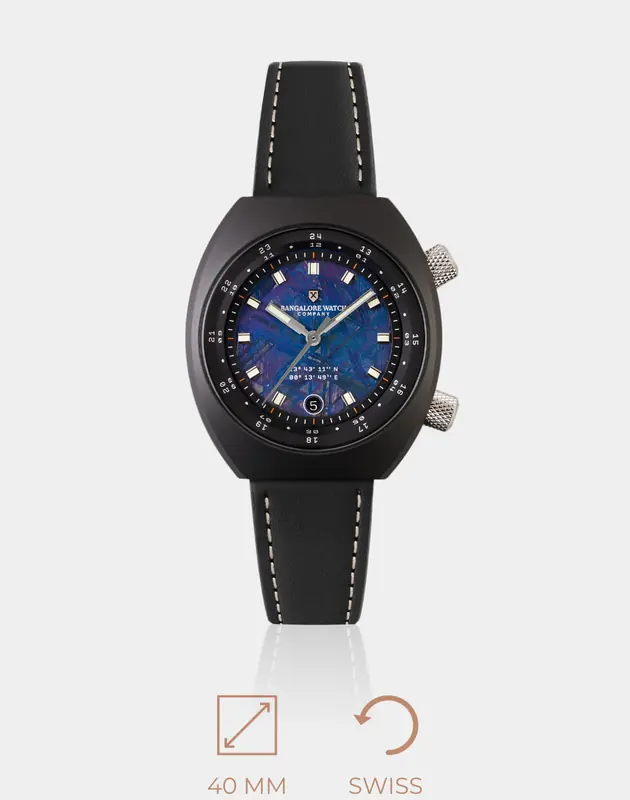
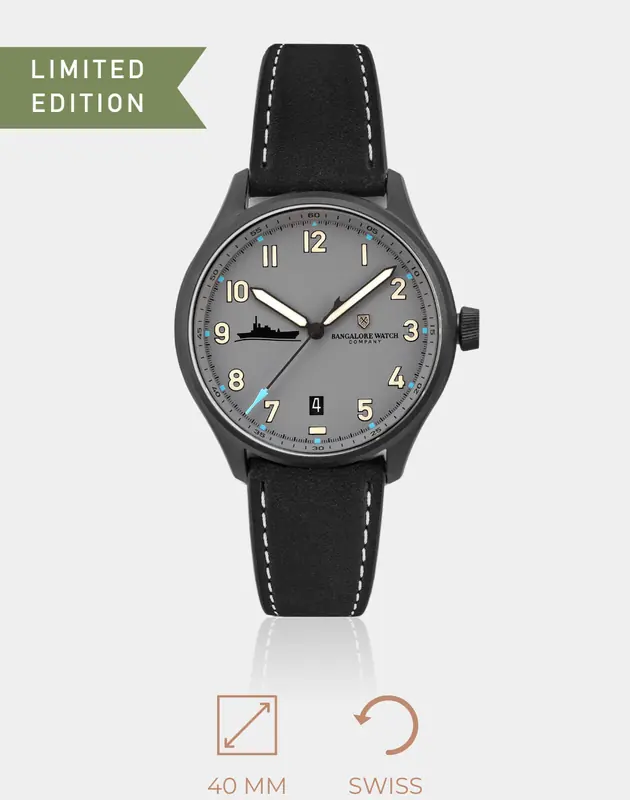
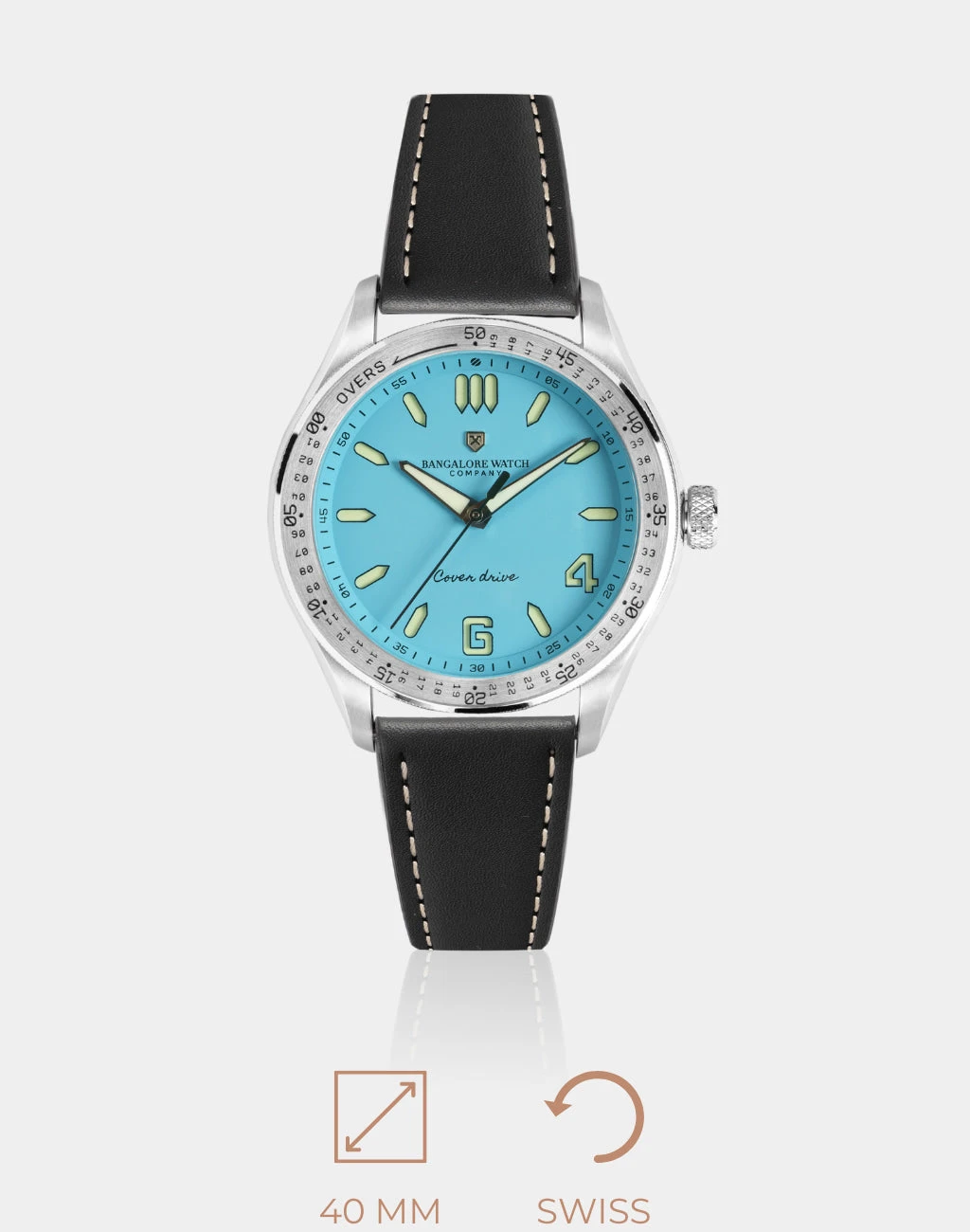
BWC's catalogue shows why its buyers might want a stake. The Apogee Kármán Line was tested to near-space conditions (we told that story here). The Mach 1 Admiral carries steel salvaged from INS Vikrant. The Cover Drive is a cricket watch built for a country that treats cricket as a second religion. A 30% repeat rate at ₹1.8 lakh a watch means a lot of people have bought more than one. For a brand like that, loyal buyers are the obvious investors.
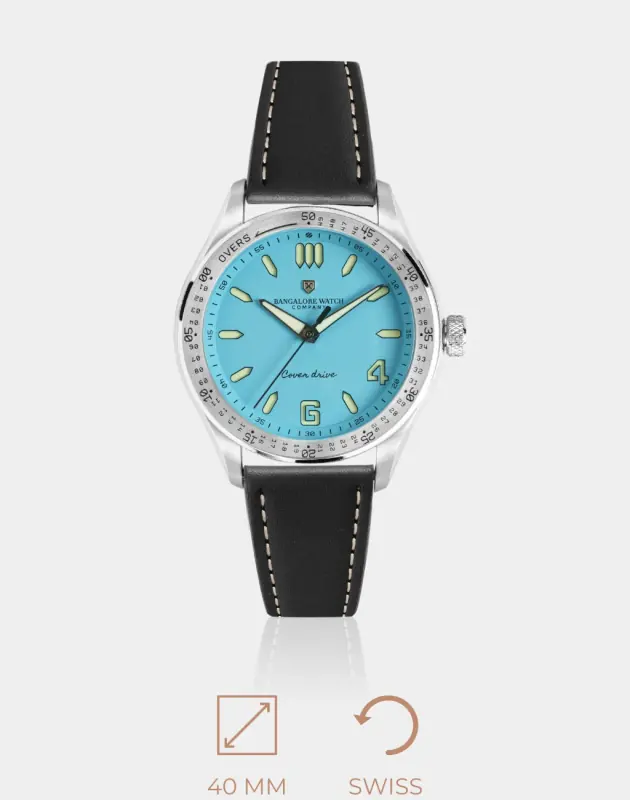
Bangalore Watch Company
Cover Drive
₹1.6L
How it compares with the rest of India
As we covered in India's watch startup funding report, the other well-known brands chose very different routes:
- Rotoris raised $3 million from founders, funds and celebrities including Nikhil Kamath and Vivek Oberoi, the classic consumer-startup approach.
- Jaipur Watch Company raised ₹2.4 crore from angels and signed cricketers as ambassadors.
- Argos grew mainly on revenue, posting ₹25.64 crore in FY25.
- BWC has now combined the last two: revenue first, then capital from the people producing that revenue.
Rotoris bought attention along with its capital. BWC kept control. Which approach wins will show up on the watches over the next five years.
What it changes for buyers
Four times the production means roughly 6,000 watches a year within three to five years. That is still tiny by Swiss standards, but it should mean fewer launches that sell out on the first morning and a larger BWC presence abroad. The brand is already moving that way: it made its debut at Geneva Watch Days in September 2026, and it entered the GPHG this year, though it did not make the shortlist (our GPHG coverage).
There is one real risk. When your most vocal customers are also your shareholders, independent criticism can get quieter. That is a reason for publications like this one to stay honest, not a reason to doubt the round.
Frequently asked questions
How much did Bangalore Watch Company raise? $1.4 million, about ₹12 crore, in a seed round funded entirely by its own customers.
Who invested in Bangalore Watch Company? Its existing customers. BWC deliberately avoided venture capital and hasn't named individual investors.
How many watches does Bangalore Watch Company make? About 1,500 a year, at an average selling price of ₹1.8 lakh, and it plans to quadruple that over three to five years.
Can I invest in Bangalore Watch Company? Not publicly. Indian law doesn't allow open equity crowdfunding, and customer rounds like this are private placements, so any future opportunity would come from the brand directly.