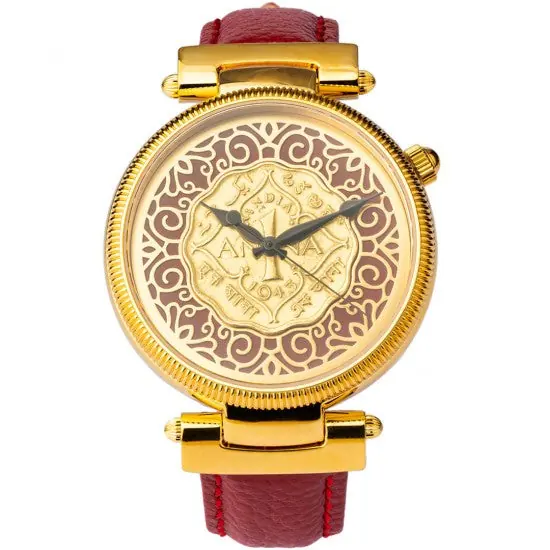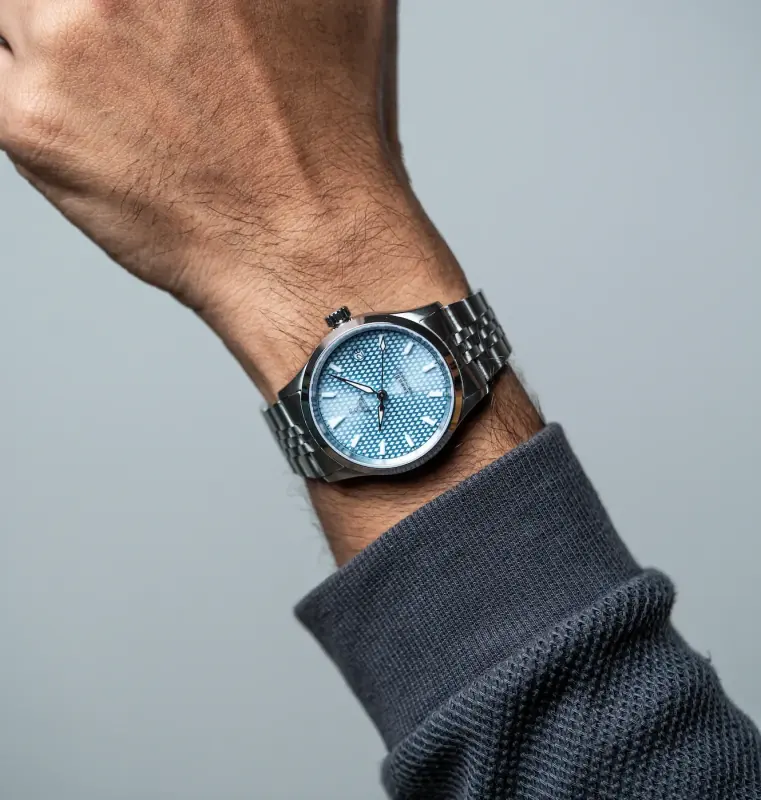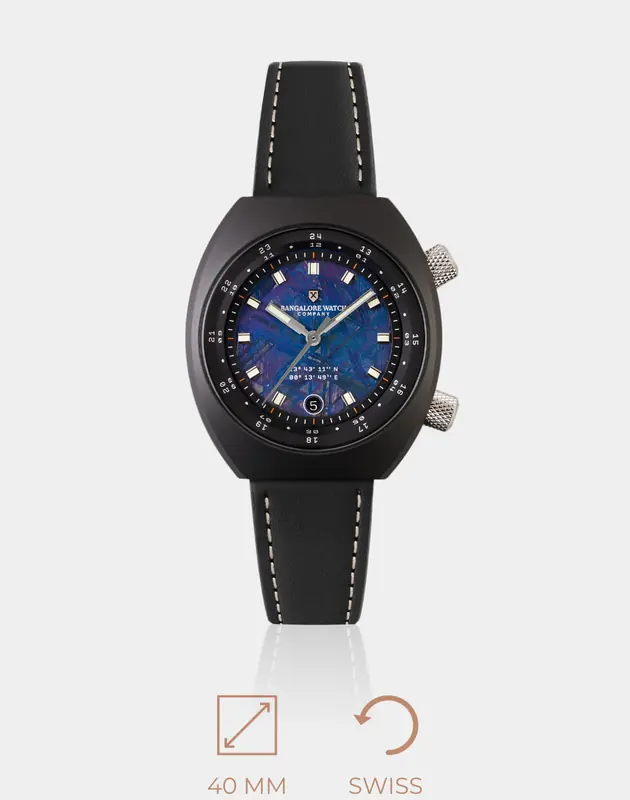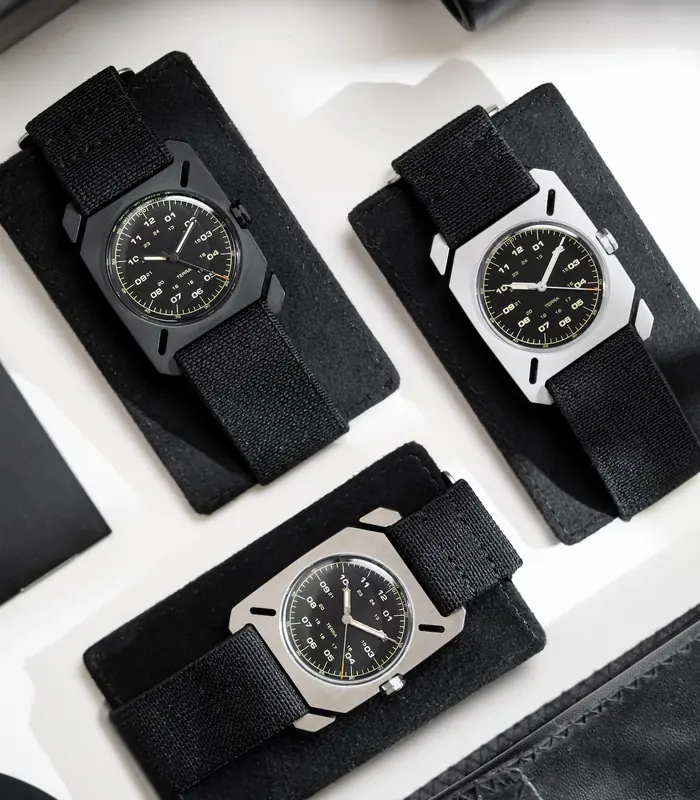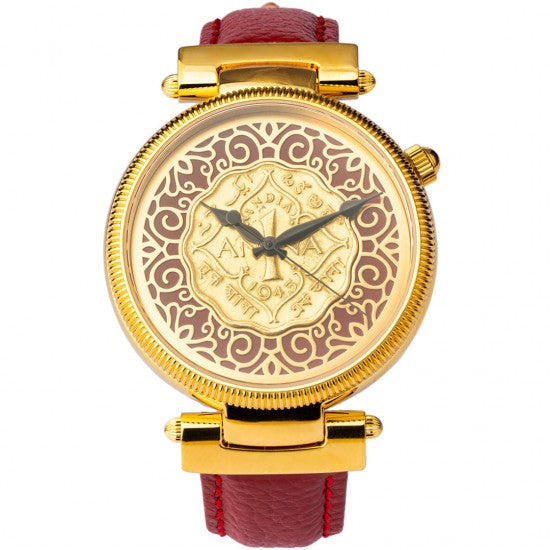
The coin inside JWC's Filigree Coin Watch is a genuine King George VI One Anna — struck sometime between 1943 and 1947, in the final years of British India. Gaurav Mehta's team frames it in hand-worked filigree and sets it into a watch dial. No two coin watches are identical.
The Object
The coin inside JWC's Filigree Coin Watch is a genuine King George VI One Anna — British India's smallest denomination, struck sometime between 1943 and 1947, in the last years before independence. It survived partition and decades in circulation and collectors' hands before Jaipur Watch Company set it behind sapphire and framed it in hand-worked filigree scrollwork, limited to 100 numbered pieces.
This coin has outlived the empire that minted it by nearly eight decades. It is now telling you the time.
The Brand
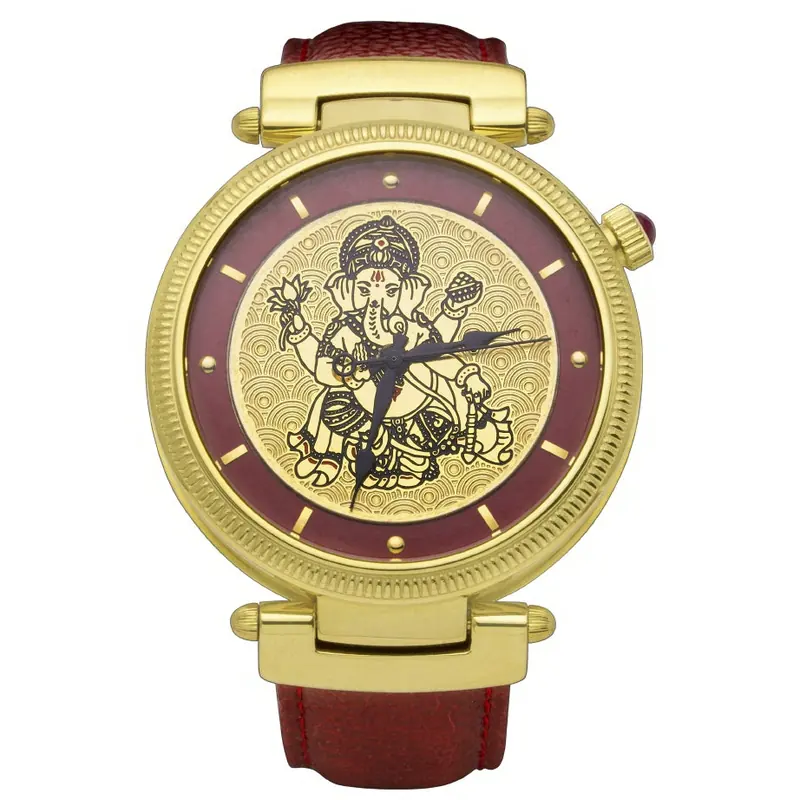
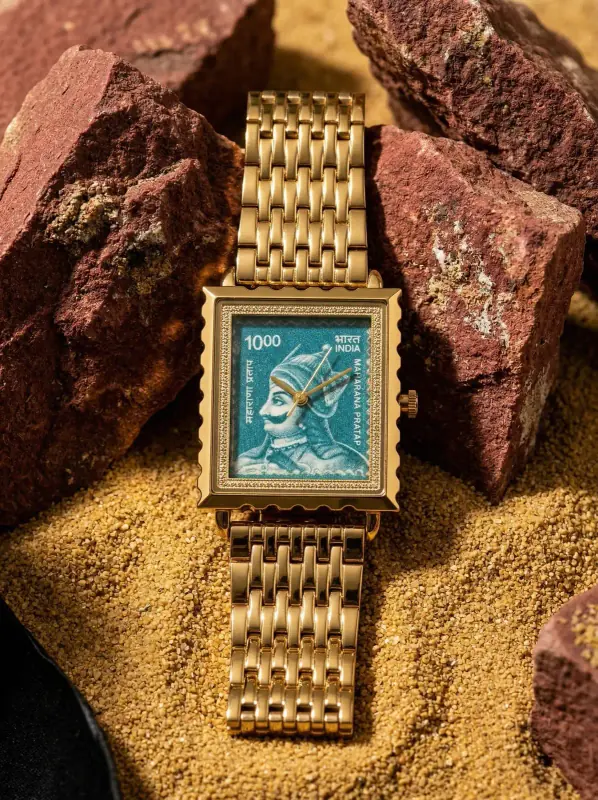
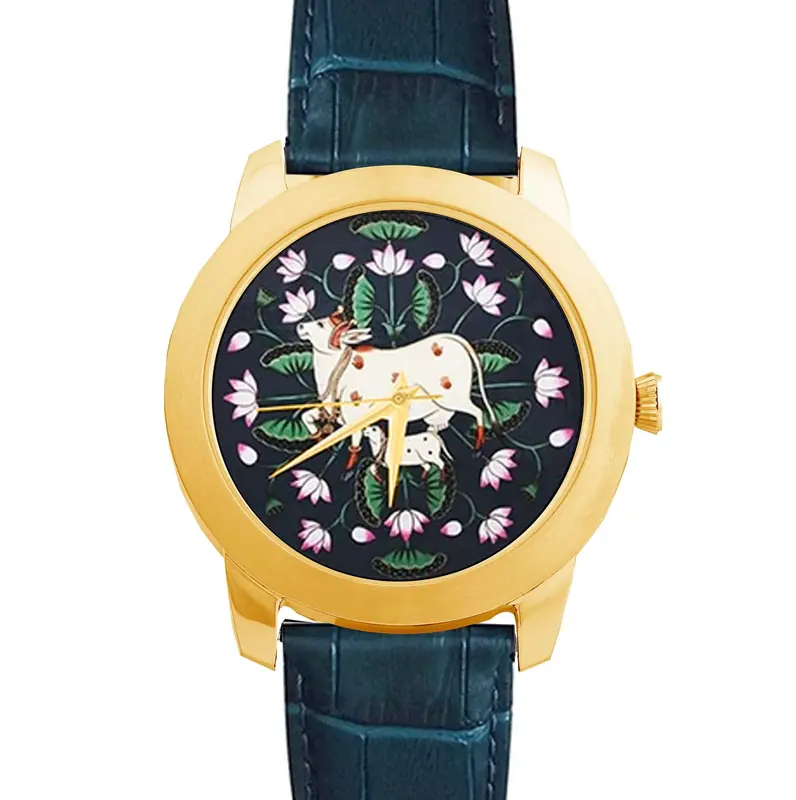
Founded in 2013, Jaipur Watch Company is India's oldest active micro-brand. Gaurav Mehta's premise was radical from the start: not cultural reference on the dial, but actual historical objects. Genuine vintage and antique coins with numismatic documentation, like the Ganesha Coin Watch. Rare stamps with philatelic provenance, such as the Stamp Edition: Maharana Pratap. Hand-painted Pichwai miniatures executed by master artists from Nathdwara, Rajasthan.
Jaipur Watch Company
Ganesha Coin Watch
₹75K
Jaipur Watch Company
Stamp Edition — Maharana Pratap
₹50K
Jaipur Watch Company
Pichwai — Krishna Leela
₹1.2L
JWC sits at the intersection of three collecting traditions — horology, numismatics, and philately — and treats all three with equal seriousness. The watch is the frame. The coin is the art.
The Sourcing
This is the hardest part of what JWC does. Mehta works with certified numismatic experts and licensed dealers to acquire and authenticate each coin — provenance, mint, era, quality. The documentation that accompanies each coin watch is extensive: this is where it was minted, this is roughly when, this is its condition grade.
The coin is then fitted into a custom case architecture — the movement sits around the coin rather than beneath it. The coin is visible through the crystal, exactly as it was minted, except now it has hands and indices telling the time around it.
The Range
JWC's price range is the widest of any Indian brand: from ₹15,000 for the Crystal Collection to ₹24 lakh for the 18-karat gold bespoke range. This is not a vanity exercise — the difference between a ₹15,000 JWC and a ₹15,00,000 JWC is the coin, the case material, and the level of hand-finishing. The proposition scales honestly.
The Pichwai Editions
Pichwai painting is a Vaishnava devotional art form from Nathdwara, Rajasthan. Traditionally executed on cloth with natural pigments, Pichwais depict Krishna in scenes from the Bhagavata Purana — usually Krishna's childhood, his relationship with the gopis, the celebration of Janmashtami. The masters of this tradition work for months on a single piece.
JWC applies this art to a watch dial. The scale is miniaturised. The process is entirely by hand. The result is the closest India has come to Swiss grand feu enamel work — and it predates the Swiss tradition by centuries.