A watch rated to 50 metres of water resistance cannot be taken to 50 metres underwater. A 100m rating doesn't mean you can dive to 100 metres. The numbers on the caseback describe static laboratory pressure, not real-world depth. Here's what each rating actually permits — and why dive watches exist.
The Misconception
"Water resistant to 50 metres" does not mean you can take your watch to 50 metres underwater. This is the single most misunderstood specification in watchmaking, and it has destroyed more watches than any mechanical failure.
Water resistance ratings describe static pressure applied in a laboratory — the watch is placed in a sealed chamber and pressurised to the equivalent of a given depth. No movement. No temperature change. No impact. In real-world conditions — swimming strokes, jumping into a pool, turning a tap with the watch on — dynamic pressures can spike far above the static equivalent. A push off a pool wall can momentarily generate pressures equivalent to 20-30 metres of depth. A dive from a board, much more.
What Each Rating Actually Means
30m / 3 ATM: Splash-proof only. Survives rain, hand-washing, and accidental splashes. Do not submerge. Do not swim. Do not shower. This rating essentially means "we tested it and it didn't immediately leak under minimal pressure." Most dress watches carry this rating.
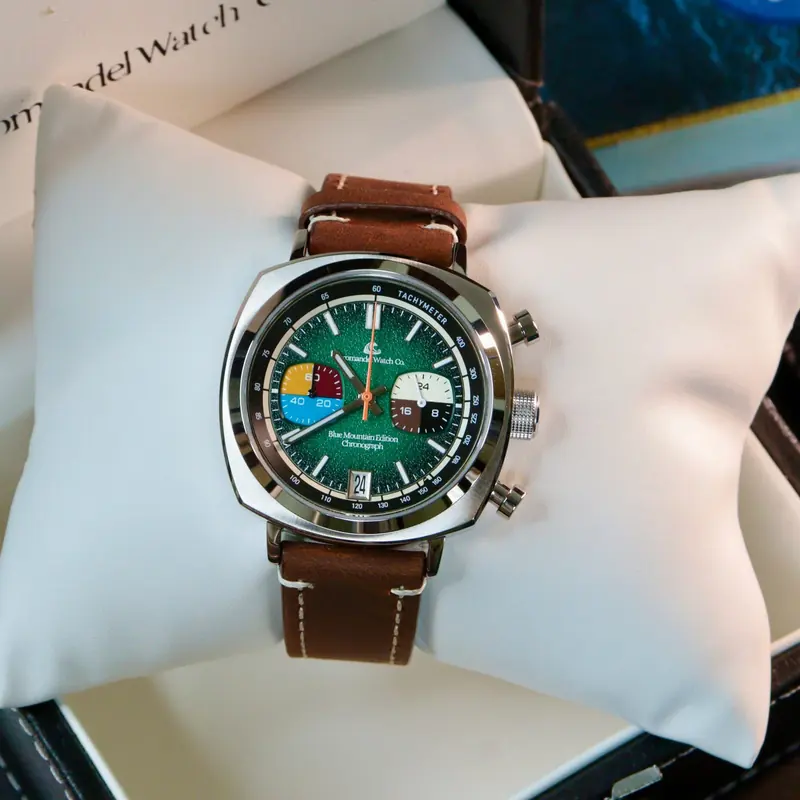
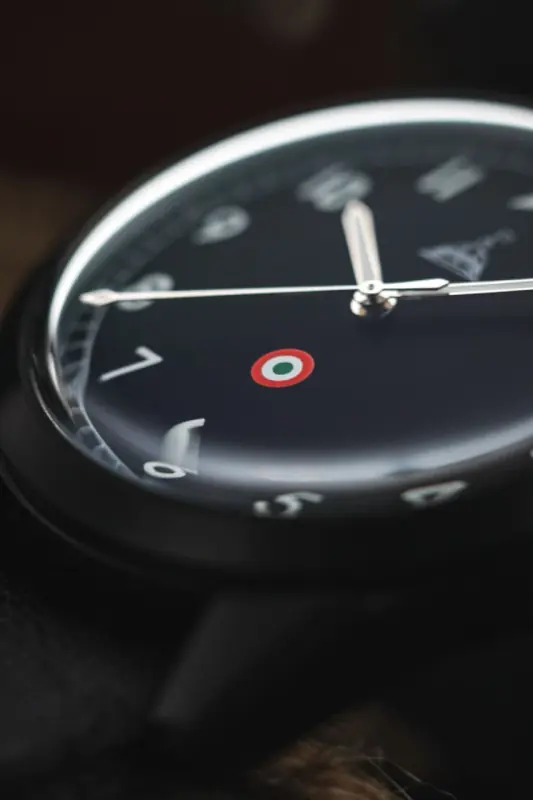
50m / 5 ATM: Safe for brief, incidental water exposure. You can wash your hands vigorously, get caught in a downpour, or accidentally fall into a pool. You should not swim laps, shower regularly, or use the pushers or crown while the watch is wet. Many field watches and everyday automatics carry this rating — Coromandel's Blue Mountain Edition, a meca-quartz built for the Nilgiris rather than the ocean, is one.
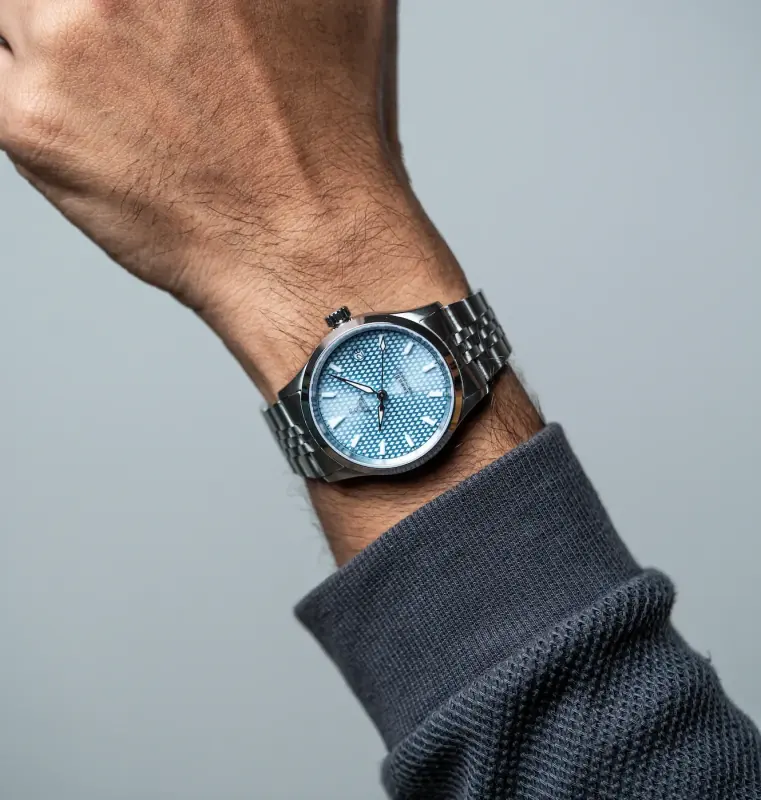
100m / 10 ATM: Suitable for recreational swimming and snorkelling. This is the threshold where a watch can genuinely go in the water with intent. You can swim, snorkel in shallow water, and shower. You should not dive, use pushers underwater, or expose the watch to high-pressure water jets. The DWC Everest and DWC Vayu carry 100m ratings — watches you can confidently wear to the beach.
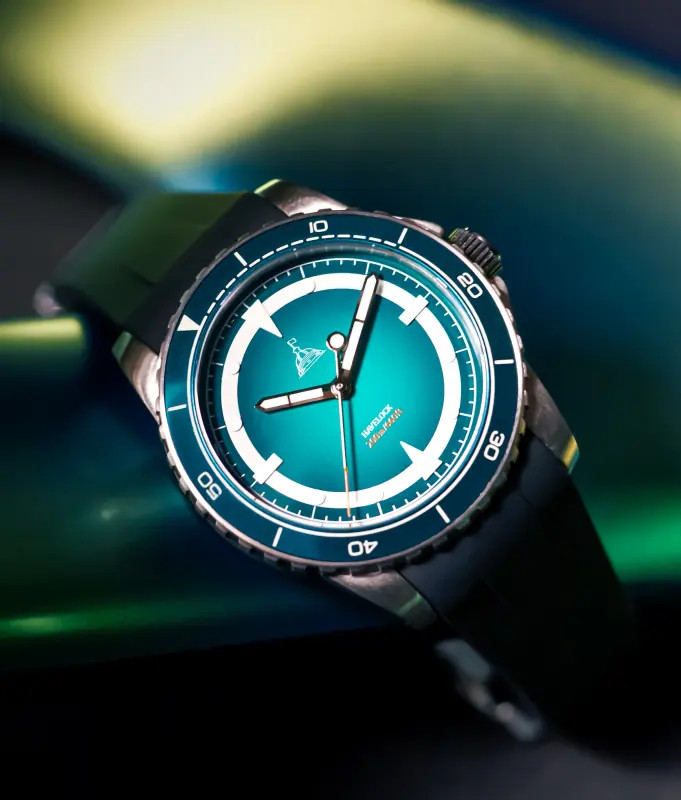
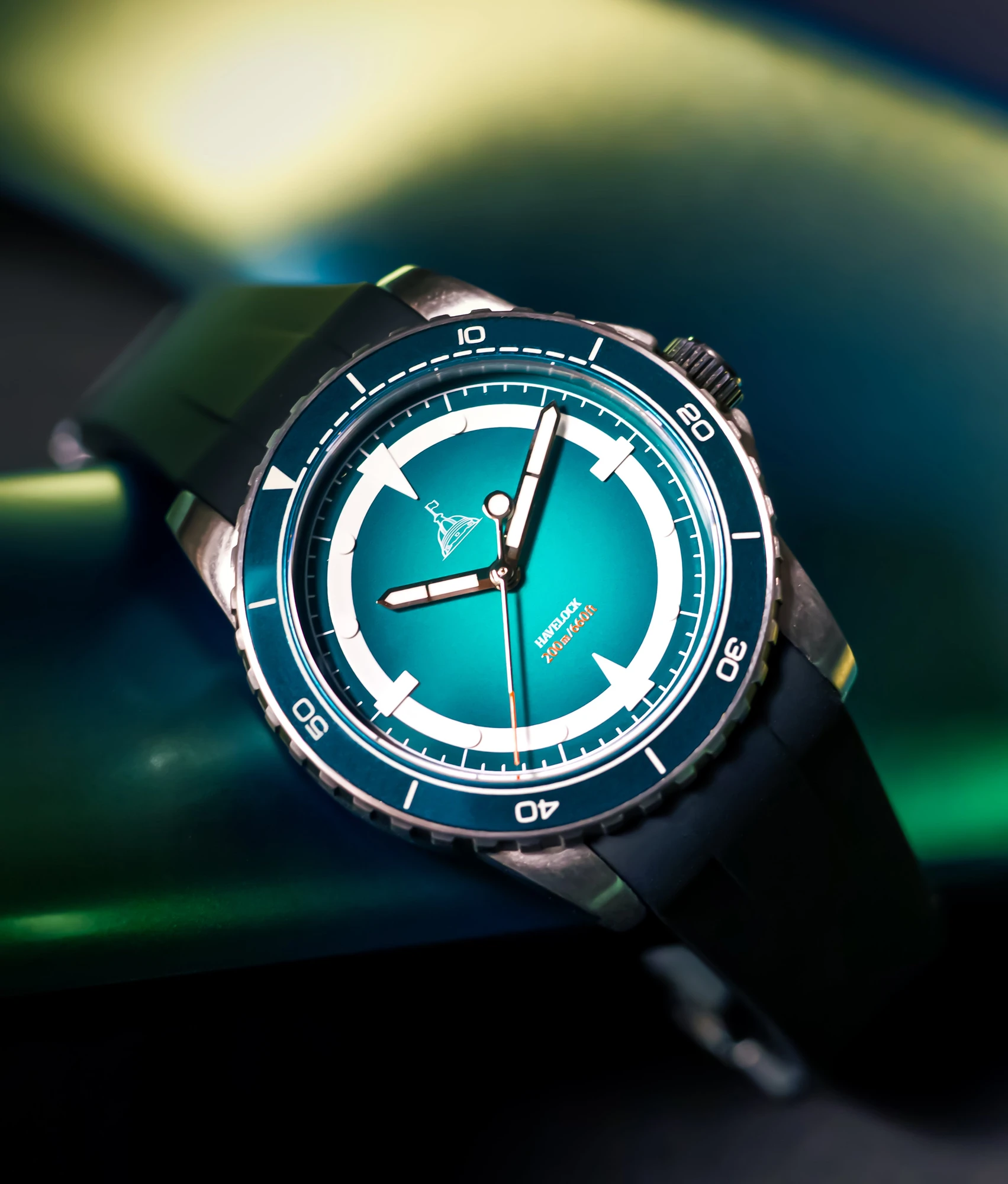
200m / 20 ATM: A proper dive watch. Suitable for recreational scuba diving, serious swimming, and water sports. The ISO 6425 standard for dive watches requires 200m minimum plus a battery of additional tests: condensation, thermal shock, magnetic resistance, shock resistance, strap strength, and crown and pushbutton function under pressure. The DWC Havelock Blue carries a 200m rating with screw-down crown and uni-directional bezel — a genuine dive tool, not a water-resistant fashion watch.
300m+ / 30+ ATM: Professional diving, saturation diving, and extreme water sports. Watches at this level typically include helium escape valves for saturation diving (where helium in the breathing mixture can penetrate the case during long decompressions). Most people will never need this.
What Degrades Water Resistance
Water resistance is not permanent. It degrades over time due to several factors:
Gasket aging: The rubber or silicone gaskets that seal the caseback, crown, and crystal dry out and lose elasticity over years of wear. Most manufacturers recommend gasket replacement every 2–3 years for watches regularly exposed to water.
Impact: A sharp knock can shift the caseback or crystal microscopically, breaking the seal. The watch may still look fine and run fine — but it's no longer sealed.
Crown operation: Pulling the crown out to set the time breaks the crown seal. If you adjust the time and then jump in a pool without pushing the crown back in and (on screw-down crowns) screwing it down, water enters the movement. This is the most common cause of water damage in watches rated 100m or above.
Temperature shock: Moving from a hot environment (a sauna, a hot tub) to cold water causes the metal case to contract faster than the gaskets can follow, creating temporary gaps. Never wear a watch in a sauna or hot tub, regardless of its water resistance rating.
The Screw-Down Crown
A screw-down crown threads into the case tube, compressing a gasket and creating a mechanical seal. It is the difference between a water-resistant watch and a dive watch. Without it, the crown tube is a potential entry point every time pressure changes. With it, the crown becomes part of the sealed system.
The DWC Havelock Blue's screw-down crown is why it can claim 200m with confidence. An identical case with a push-pull crown might manage 100m in the lab and considerably less in the ocean.
The Practical Guide
If you never intend to swim with your watch, 50m is plenty. If you swim regularly, buy 100m minimum. If you dive, snorkel seriously, or want a watch you never have to think about around water, buy 200m with a screw-down crown. And regardless of the number on the caseback: push the crown in and screw it down before you go near the water. That number means nothing if the crown is pulled out.