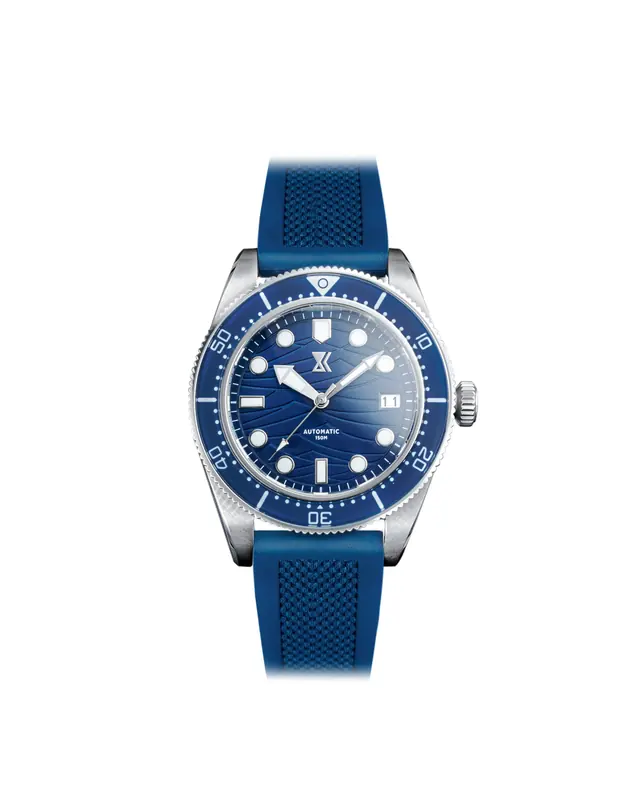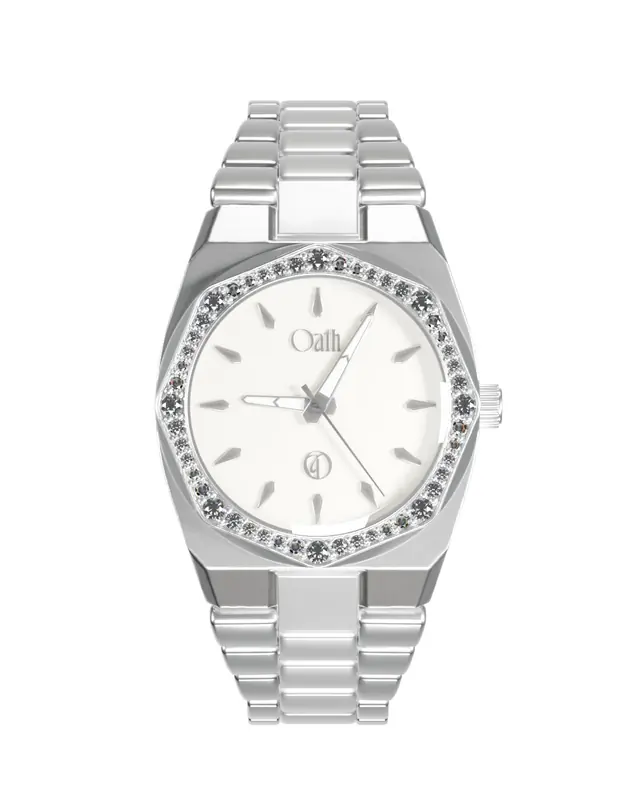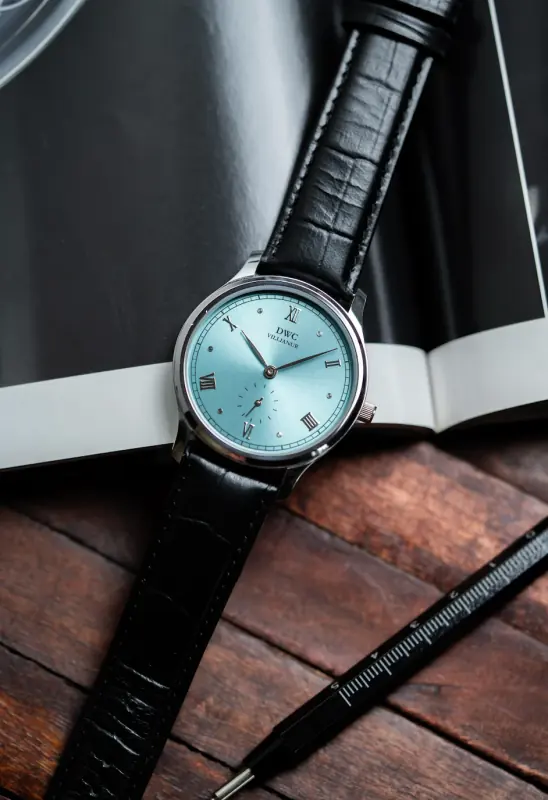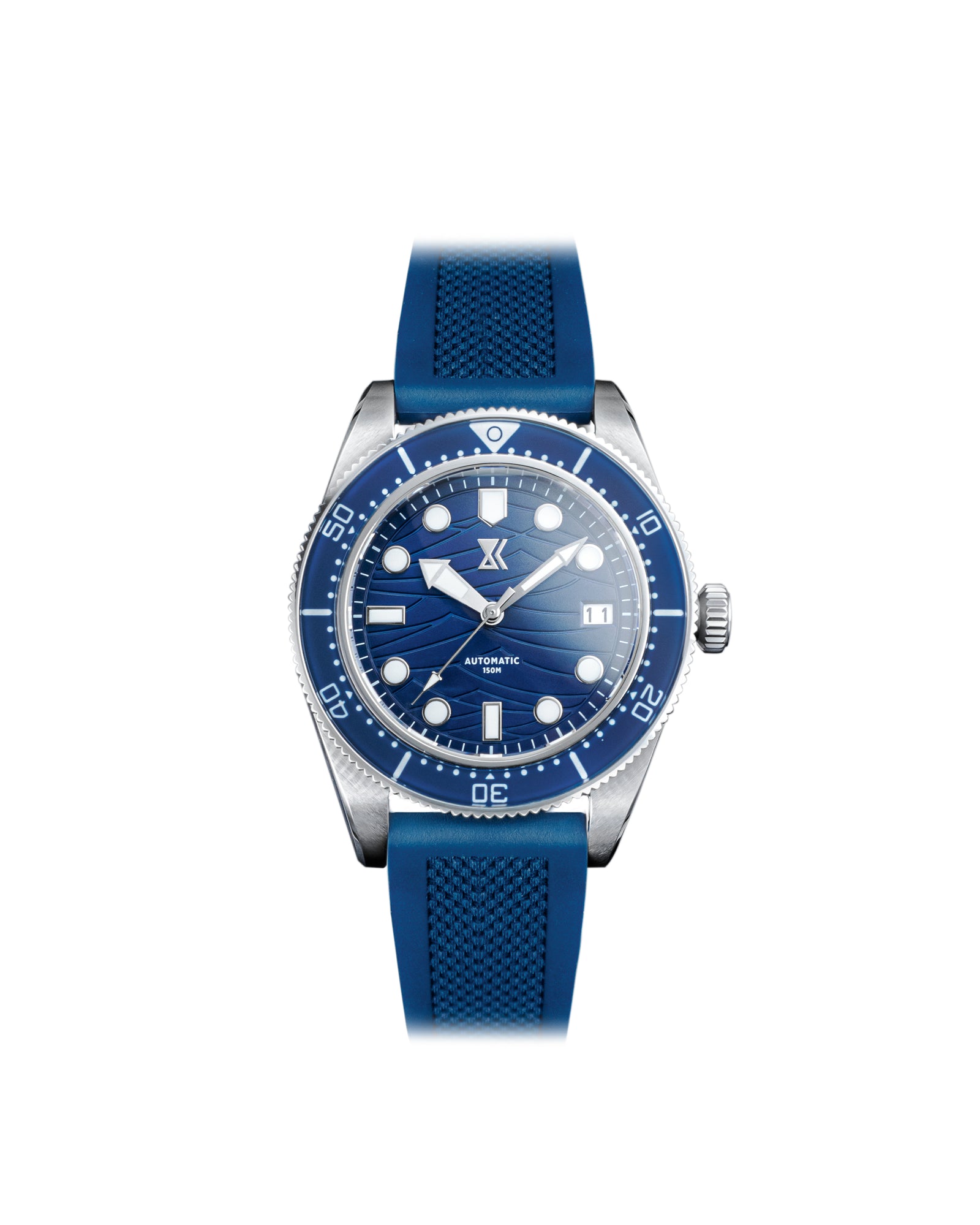
India now gets a new watch brand roughly every seven weeks. Twelve of the 24 brands in our index launched between 2024 and 2026. Eight things explain it: cheap off-the-shelf movements, short production runs, a low-cost D2C and Instagram sales stack, small drops that keep selling out, a wide price gap below Swiss watches, buyers moving from smartwatches to analog, a supply of Indian stories that foreign brands can't tell, and a generation that can't easily buy a home spending on things it can own now.
India gets a new watch brand roughly every seven weeks. Of the 24 Indian brands we track, 12 launched between 2024 and October 2026, and six of those arrived in 2026 alone. Eight things explain it. Off-the-shelf movements and short production runs have made a watch cheap to build. Shopify, UPI and Instagram have made it cheap to sell. Small drops keep selling out, which tells the next founder the demand is there. Swiss watches leave a wide price gap underneath them. Buyers are moving from smartwatches back to analog. India has plenty of stories that no foreign brand can tell. And with a city home out of reach for many young buyers, more of their money goes on smaller things they can own now.
This piece goes through each of those, with the numbers behind them, and then looks at what could slow the boom down.
How fast are new Indian watch brands launching?
We counted using our own index of Indian watch brands, sorting each one by the year it was founded or launched its first watch.
| Period | New brands | Brands |
|---|---|---|
| 2013–2019 (7 years) | 7 | Jaipur Watch Company, AIQON, Sylvi, Ajwain, Horpa, Bangalore Watch Company, Elfen |
| 2020–2023 (4 years) | 5 | Delhi Watch Company, Argos, Majestic Craftsmen, Shaw, Skylona |
| 2024–2025 (2 years) | 6 | Coromandel, Kala, Kshan, Pyko, Avarth, Cypher |
| 2026 (to October) | 6 | Rotoris, Ahmedabad Watch Company, IST 1947, Deccan, Padigam, OATH |
That works out to one new brand a year in the 2010s and one every seven weeks in 2026. Others see the same thing. Gaurav Mehta, who founded Jaipur Watch Company in 2013, told Outlook Business in January 2026 that "there wasn't a second brand in the market till 2018". The same report counted more than 20 brands entering in the previous two years. Our index is smaller because we only list brands that design their own watches and sell them under their own name.
1. A watch is now cheap to build
Most of what goes into an independent watch can be bought off the shelf. The Seiko NH35, the automatic movement inside a large share of the world's microbrand watches, costs a brand roughly $40 to $50. Epson, Miyota and Seiko make quartz and meca-quartz movements for a fraction of that. Case, dial, hand and crystal makers, mostly in southern China, will produce a brand's own design in runs of a few hundred pieces. Industry guides put a first run of 100 to 300 watches, with prototyping and a website, at roughly $20,000 to $70,000. A quartz debut can cost less.
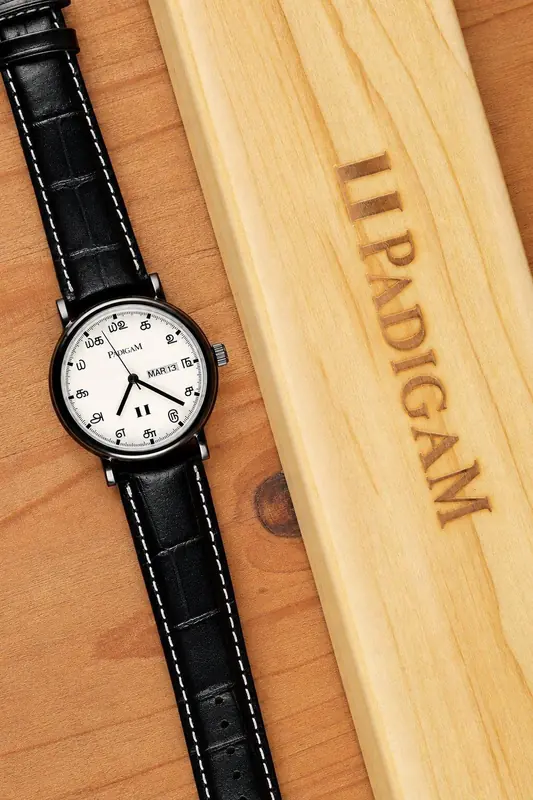
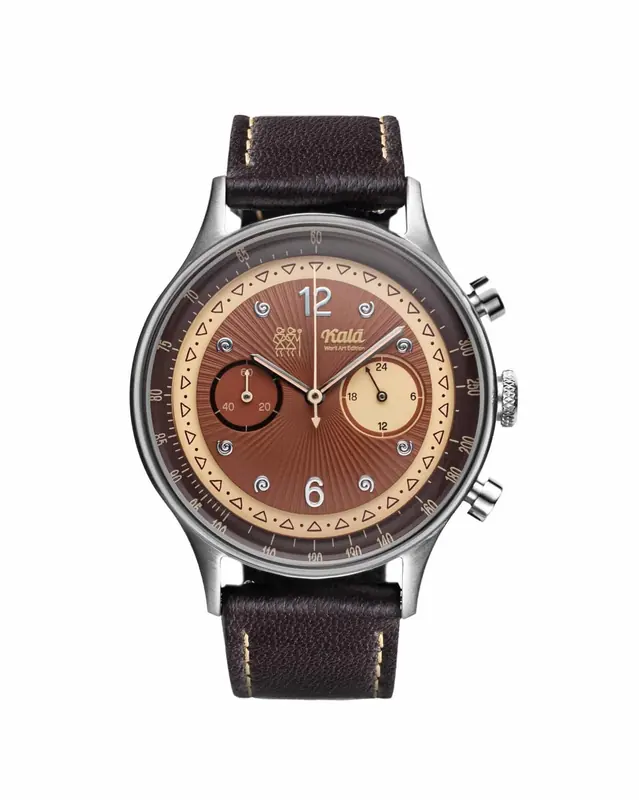
So a founder no longer needs a factory, a team of watchmakers or years of tooling. They need a design, a supplier who will make it, and enough money for one batch. The new launches show this. Nearly every brand that started in 2024–26 debuted with quartz or meca-quartz: Padigam at ₹2,799, Kala's meca-quartz chronograph at ₹6,999, and OATH at ₹4,999 to ₹5,999. Mechanical watches come later, once the brand has some money and a following.
This is also why most of these brands are "designed in India" rather than manufactured here, a distinction we go through in which Indian watch brands actually manufacture. A cheap supply chain makes launching easy. It doesn't make it easy to build a watch industry.
2. Selling costs almost nothing to set up
Ten years ago an Indian watch brand needed shelf space with a retailer. Now it needs a Shopify store, a payment gateway, a courier account and an Instagram page. UPI handles payments, and companies such as Shiprocket handle shipping. A report by Shiprocket, CII and Praxis Global Alliance estimated India's direct-to-consumer market at $12 billion and expects it to reach $60 billion by FY27. That growth is why the tools are cheap and easy to use.
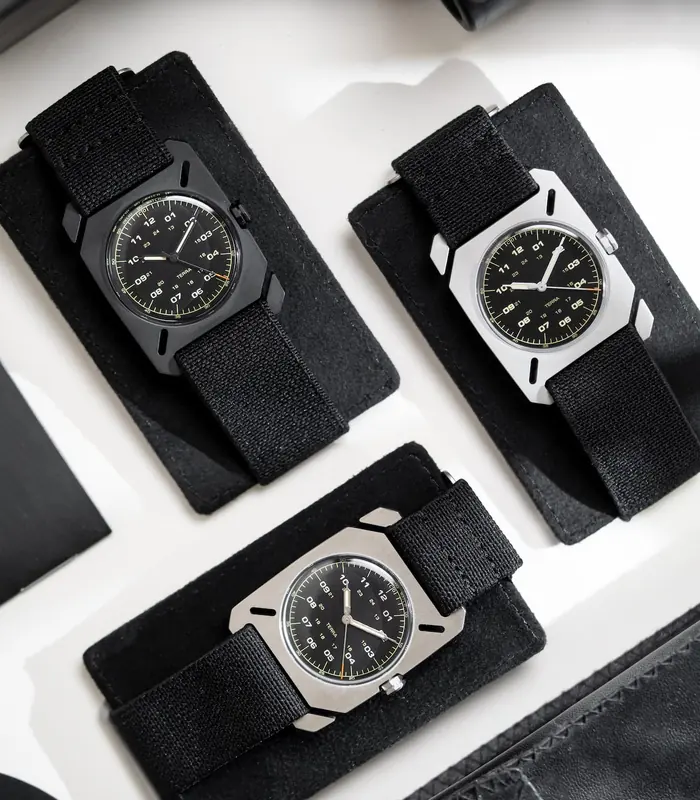
Instagram does what a retail network used to do. One reel of a dial in sunlight can sell a batch. Delhi Watch Company is the clearest example. Founder Anish Dandwani says the first 1,700 pieces of the ₹4,499 DWC Terra sold out in just under two minutes (our Terra review). Outlook Business reports that DWC sells more than 23,000 watches a year at an average of about ₹5,500, almost all of them online.
3. Small drops keep selling out
For a would-be founder, the strongest argument is what happened to the last few launches. When we checked every brand's store against our catalogue on 22 October 2026, sold-out watches made up a large part of the list:
- All five Padigam models, including the Padigam Mathi, sold out (the Tamil-numeral story).
- Every Kala Warli edition, including the Kala Warli Terracotta, sold out, and so did every Coromandel and Avarth model.
- Deccan's Golkonda Tiger Ferrum sold out and moved to a waitlist (Deccan's debut).
- Delhi Watch Company had no watch in stock at all.
Batches are small, often a few hundred pieces, so a sell-out is easier to achieve than it sounds. But it is a public signal, and each one encourages someone else to start a brand. Nirupesh Joshi of Bangalore Watch Company summed up the situation for Indian brands to Outlook Business: "we're not demand-constrained, we're supply-constrained."
4. Swiss watches leave a wide gap below them
Most Indian independents sell for between ₹3,000 and ₹25,000. Swiss watches in India usually start well above ₹50,000. Even the foreign microbrands Indian buyers compare against, such as Baltic and Christopher Ward, start at around ₹38,000 (how Indian brands compare with them). That leaves a large price band with few serious watches in it, and Indian brands have taken it.
Trade policy matters less here than people expect. The India–EFTA trade agreement took effect on 1 October 2025 and cuts India's duty on Swiss watches from about 22% to zero over seven years (PwC's tariff schedule). That will make a Tissot or a Longines a little cheaper. It won't bring a Swiss mechanical watch down to ₹10,000, which is where most of the new Indian brands sell.
5. Buyers are moving from smartwatches to analog
India's smartwatch boom has ended. IDC reports that smartwatch shipments fell 17.6% in 2025 to 28.9 million units, the second annual decline in a row, after the cheap end of the market became saturated. Analog watches are doing better. Titan's watch division grew more than 20% in April–June 2026, with analog watches growing in the mid-twenties while its smartwatch sales fell.
Many of the people who bought a ₹2,000 smartwatch in 2022 now want something different on their wrist. Some of them go to Titan. A growing number want something less common, and new Indian brands are an easy next step: the prices are familiar, the watches have a story, and the founder answers Instagram messages.
6. India has stories no foreign brand can tell
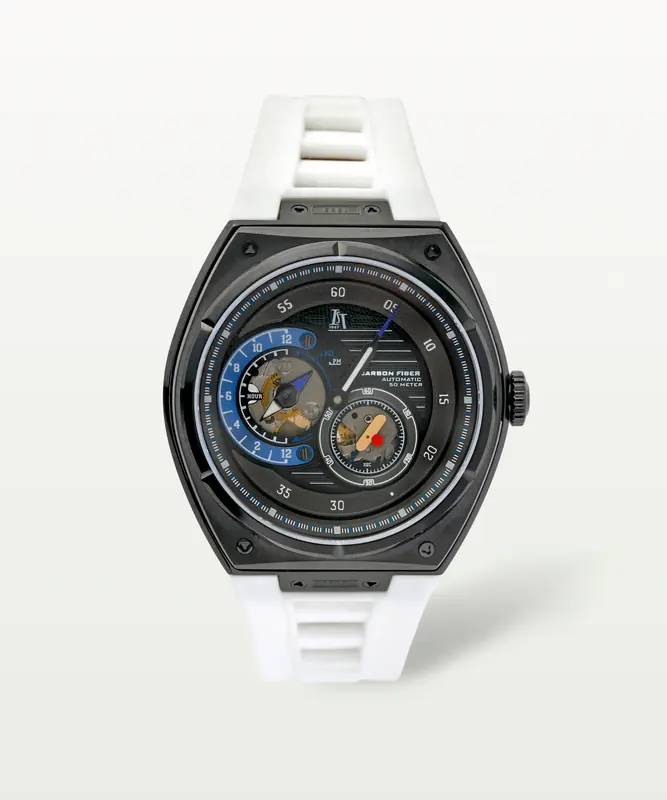
The new brands sell mainly on their story. Padigam uses classical Tamil numerals. Kala puts Warli art on the dial. IST 1947 made five watches for India's five cricket World Cup finals, among them the IST 1947 Vijay 1983 (the Vijay series). Jaipur Watch Company sets antique coins into its dials. A Swiss or Japanese brand can't really do any of this, and Indian buyers who want a watch that says something about where they come from have had few options until now.
Brands can also grow quickly when the story gets noticed. Outlook Business reports that after Prime Minister Narendra Modi was seen wearing Jaipur Watch Company's Roman Baagh, the brand sold more than 300 units in a month and had a waitlist of up to 55 days. There are plenty of stories left to use. Most Indian scripts, crafts and regions still have no watch of their own, and new founders keep finding unused ones. OATH, for example, launched in 2026 as a women-first brand with watches like the OATH Reign Silver.
7. More enthusiasts, and more investors
India now has the community a watch scene needs. India Watch Weekend in Mumbai drew more than 1,000 visitors and 18 brands to its January 2026 edition, according to organiser The Hour Markers, and Bangalore Watch Days followed in August. Collector meet-ups, Reddit threads and YouTube reviewers mean a new brand can reach a few thousand serious buyers in its first week.
Investors have noticed too. Rotoris raised $3 million before launching. Bangalore Watch Company raised a seed round entirely from its own customers (how that round worked). Argos reported ₹25.64 crore in FY25 revenue. Titan has reportedly said it is open to acquiring smaller watch brands, which gives founders a possible exit. We cover the money in more detail in India's venture-backed watch startups. Gaurav Mehta estimates the microbrand segment at under ₹150 crore today and thinks it could reach ₹1,000 crore within three years.
8. A house is out of reach. A watch isn't.
For an earlier generation of Indians, spare money went first into a flat and then into gold. Many young buyers can't follow that path today, especially in the cities where watch buyers are concentrated. Knight Frank's affordability index for 2025 found that a typical Mumbai household needs 47% of its income to pay the EMI on an average home. That figure has improved since rate cuts, but it was still close to the 50% level Knight Frank treats as unaffordable, and it doesn't include the down payment, which is the main obstacle for a first-time buyer. In an earlier Knight Frank survey, 27% of Gen Z respondents said they would rather rent than buy, a much higher share than any older generation (reported by The Tribune).
When the biggest purchase feels years away or out of reach, people tend to spend more on smaller things they can actually own and enjoy now. A well-made watch is a good example: it lasts for decades, it says something about the owner, and it costs about as much as one month's rent rather than a 20-year loan. Allianz Global Investors made a similar point in August 2025, writing that "affluent young Indians look beyond gold and property as stores of wealth and identity" (The India Briefing). It linked this to India becoming the fastest-growing market for Swiss watches.
The same shift helps Indian brands at a lower price. A watch like the ₹19,470 IST 1947 Vijay is a purchase a young professional can make from one salary, and collecting four or five Indian watches costs less than a single Swiss one. The collecting habit matters to founders too. A buyer who owns one Indian watch is likely to want a second, and every new brand is a new thing to collect.
Don't confuse this with an investment, though. A few Swiss steel sports watches and some limited editions resell above their retail price. Almost no Indian microbrand watch does yet, and most resell below it. Buy one because you want to wear it. If the money needs to grow, it belongs elsewhere.
What could slow the boom down?
Getting started is easy. Lasting is harder, and a few problems are already clear.
- Too many similar watches. When everyone uses the same NH35 or quartz movement and the same few suppliers, the watches start to look alike. A heritage story only helps if the watch is good as well.
- Not enough people to repair them. Sarosh Mody estimates the world needs 6,000–7,000 new watchmakers a year and trains fewer than half that. Service and repairs are where young brands most often let buyers down.
- Cash flow. A sold-out batch of 300 doesn't make much money. The next batch has to be paid for before the last one has earned anything back, which is why DWC's restocks often take months.
- Trust. Some new listings across the industry use AI-generated or mismatched product photos, and a few brands are just catalogue watches with a new logo. One bad experience makes buyers more cautious about every new brand.
We expect some of the 2024–26 brands to be gone by 2029. That is normal in a new market and doesn't mean the boom was hype. Brands like Bangalore Watch Company and Kshan show what lasts: a focused range and a clear reason to exist. Kshan launched with a single watch, the Kshan Aquaria, a 40mm diver with a sapphire bezel insert and a 12.1mm case.
How to buy from a brand-new Indian watch brand
Before you buy a debut drop, check four things. First, the movement: is it named, and can a local watchmaker service it? Second, the warranty, and who handles repairs. Third, whether the product photos show the actual watch, and whether owners have posted wrist shots. Fourth, whether the brand says what is designed in India and what is made abroad. If a brand can't answer these, wait for the second batch. Our complete guide to Indian watch micro-brands and the best Indian watch brands, ranked are good places to start.
Frequently asked questions
Why are so many new Indian watch brands launching? Off-the-shelf movements and small production runs make a watch cheap to build, and D2C tools plus Instagram make it cheap to sell. Small drops keep selling out, Swiss watches leave a wide price gap, buyers are moving from smartwatches back to analog, and Indian stories give each new brand something to stand out with. With city homes out of reach for many young buyers, more of their money also goes on smaller things they can own now, such as watches.
Is an Indian microbrand watch a good investment? Usually not in financial terms. Very few Indian microbrand watches resell above their retail price, and most resell below it. They're best bought as something to wear and enjoy for years.
How many watch brands are there in India? Ghadicode tracks 24 independent Indian watch brands as of October 2026. Twelve of them launched between 2024 and 2026, six of those in 2026 alone. Wider counts that include resellers and private labels are higher. Outlook Business reported more than 20 brands entering in the two years to January 2026.
Are new Indian watch brands made in India? Most are designed in India and use imported movements and parts, with some assembly done locally. Very few manufacture components in India. Ask each brand where its parts come from and where the watch is assembled.
Is it safe to buy from a new Indian watch brand? Usually, if the brand names its movement, offers a written warranty with a clear service route, and shows real photos of the watch. Waiting for owner reviews of the first batch lowers the risk further.
Will the India–EFTA trade deal make Swiss watches cheaper than Indian ones? No. The deal phases out the roughly 22% duty on Swiss watches by 2031, which makes them somewhat cheaper. Most new Indian brands sell for under ₹25,000, a price range where Swiss mechanical watches are rare.